


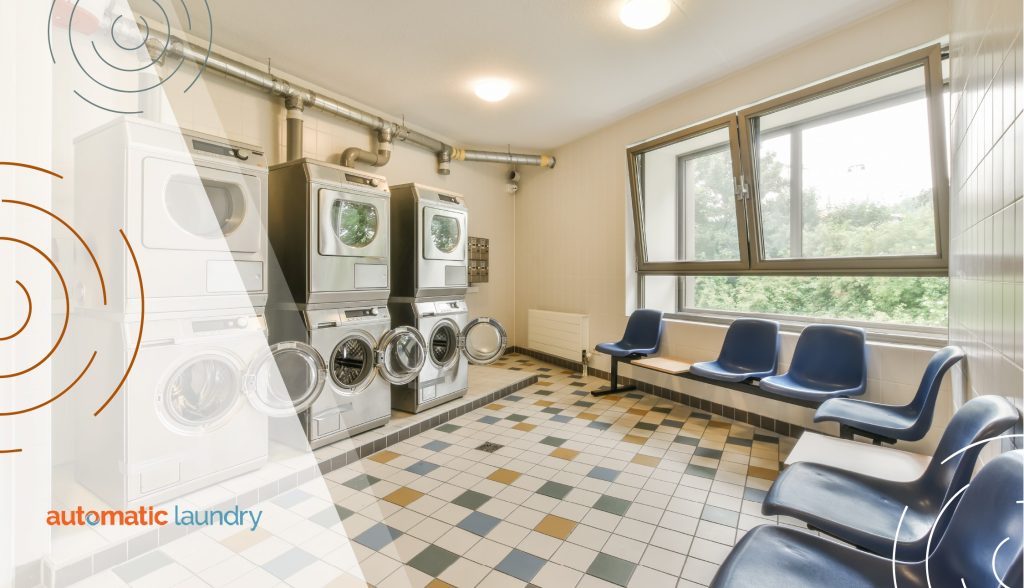
For property managers, laundry rooms are more than a convenience; they are essential infrastructure that affects resident satisfaction, maintenance costs, and long-term property value. In comparison, it may seem like a minor part of a building’s layout, but poor planning during development or renovation can create costly issues later. Plumbing placement, ventilation, appliance spacing, and workflow all play important roles in how efficiently a laundry space operates.
When laundry facilities are designed without careful consideration, property managers may face frequent service calls, inefficiencies, and expensive retrofits. Strategic laundry room design helps ensure that laundry spaces remain functional, safe, and easy to maintain for years to come. In this blog, we will help you avoid a few common mistakes early in the design process in order to prevent significant disruptions and expenses later.
Common Mistake #1: Poor Laundry Room Design and Workflow Planning
One of the most common laundry room design mistakes is failing to plan the overall workflow of the space. Laundry follows a predictable sequence: sorting, washing, drying, folding, and storing. When machines, counters, and storage areas are placed without considering this sequence, the space quickly becomes inefficient. According to the American Coin Op, the best remodeling tip is to maintain an efficient workflow that you have control over.
For example, washers and dryers placed far apart can make transferring loads inconvenient. Similarly, placing folding areas on the opposite side of the room forces users to move repeatedly across the space while carrying laundry baskets. Over time, these small inefficiencies can create frustration for residents and slow down shared laundry facilities. We point out on our blog that poor layout contributes heavily to these inefficiencies.
A well-planned laundry layout supports a natural flow from one step to the next. Folding surfaces should be located near dryers, while storage for detergents and supplies should be easy to reach. According to home design experts, inefficient layouts and poor organization are among the most common issues in laundry rooms, often resulting from insufficient planning during the design phase.
Building and business owners who prioritize workflow when designing laundry facilities can improve usability while reducing clutter and congestion in shared spaces.

Common Mistake #2: Ignoring Plumbing, Ventilation, and Utility Placement
Another costly mistake in laundry room design involves improper planning of plumbing, electrical connections, and ventilation systems. These elements are often installed early in construction, meaning errors can be extremely expensive to correct later.
For example, poorly placed plumbing lines may limit where washers can be installed or make maintenance more complicated. Angi estimates costs for apartment or residential laundry upwards of $5000. Inadequate venting can reduce dryer efficiency and even increase the risk of overheating and other hazards. Experts recommend leaving adequate space behind dryers to allow proper airflow and maintenance access.
Ventilation is particularly important because laundry rooms generate heat and moisture during normal operation. Without proper airflow, humidity can accumulate and lead to mold growth or structural damage over time.
Utility planning should also account for future upgrades. As equipment evolves, newer machines may require different electrical configurations or slightly different dimensions. Designing with flexibility in mind helps avoid costly renovations when equipment eventually needs to be replaced. Property managers who work with experienced laundry equipment providers during the planning phase can ensure plumbing, power supply, and ventilation systems are configured for long-term reliability.
Common Mistake #3: Overlooking Storage, Space, and Maintenance Access
Another mistake that can lead to expensive corrections later is underestimating how much space a laundry room actually needs. Machines require clearance for doors to open fully, proper ventilation, and routine maintenance. When equipment is installed too close to walls or cabinets, even simple service tasks can become complicated.
Storage is another commonly overlooked element. Laundry rooms without adequate shelving or cabinets quickly become cluttered with detergent bottles, laundry baskets, and cleaning supplies. This not only creates a messy environment but also reduces the usable workspace within the room. Laundry rooms, according to Realtor.com, should be multipurpose for all different types of residents.
Designers often recommend incorporating vertical storage, such as overhead cabinets or shelving, to maximize space without restricting movement. Proper storage placement helps keep supplies organized while maintaining clear pathways around the machines.
Maintenance access is equally important. Technicians need enough space to inspect machines, clean vents, and perform routine service. If appliances are tightly packed together, repairs may require partial disassembly of cabinetry or relocation of machines—an avoidable cost when the space is planned correctly. We suggest plotting enough space on your property for proper maintenance access.
Property managers who prioritize adequate spacing, storage, and accessibility during the design stage can significantly reduce long-term maintenance expenses.

Conclusion
Laundry rooms may not always receive the same design attention as kitchens or living spaces, but their functionality plays a critical role in the day-to-day operations of residential properties. Poor planning can lead to inefficient layouts, ventilation issues, and costly maintenance challenges.
By prioritizing thoughtful laundry room design, property managers can avoid common mistakes such as inefficient workflows, poorly planned utilities, and inadequate storage or maintenance access. Investing time in proper planning during development or renovation helps ensure laundry facilities remain reliable, efficient, and easy to manage.
If you’re planning a new laundry facility or upgrading an existing one, working with experienced professionals can make a significant difference. Contact Automatic Laundry today to learn how expert laundry room planning and equipment solutions can help your property avoid costly design mistakes and operate more efficiently for years to come.
