


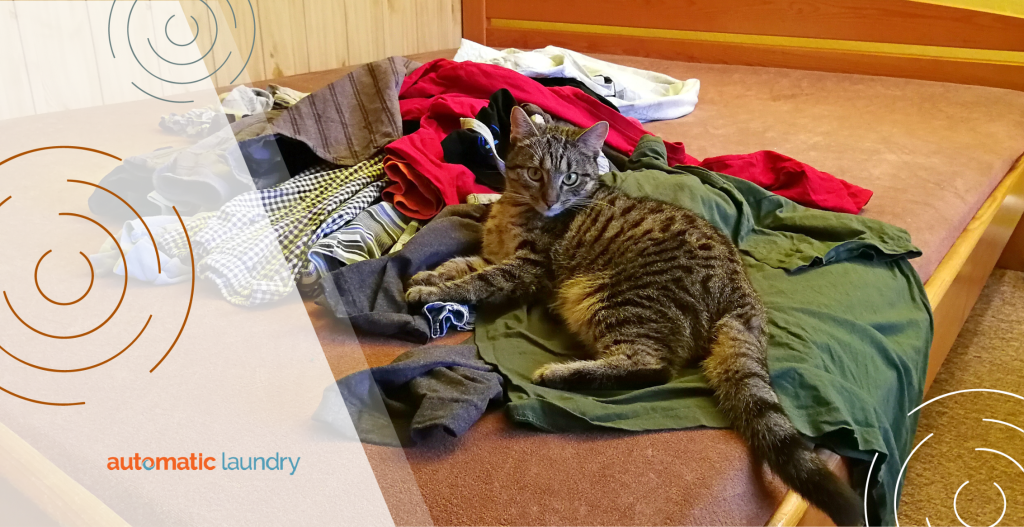
Struggling with pet hair in a shared laundry room often feels like a losing battle, especially when clean clothes come out of the wash still covered in fur. The best stain remover for clothes can help, but it works even better when paired with the right laundry habits.
In apartment buildings and multi-unit homes, washers and dryers handle a constant mix of fabrics, lint, and residue from other users. That buildup makes it harder to fully remove pet hair, even during a full wash cycle. Pet owners know the frustration of putting on a freshly washed shirt only to find it still covered in pet hair.
The issue is about more than appearance. Hair can trap odors and oils, making clothes feel less fresh. A few simple changes can make a noticeable difference. Combining smart prep, better drying methods, and the right cleaning products cuts down on lingering hair and keeps your laundry looking cleaner.
Why pet hair sticks to clothes in shared spaces
The only thing worse than having your own pet’s hair stuck to clean clothes is to find someone else’s pet’s hair on your clothing after a wash in a communal space. Pet hair clings to fabrics because of static electricity and the structure of certain materials. Fabrics like fleece, knits, and cotton blends hold onto hair more tightly than smoother textiles. In a shared laundry room, the problem grows because machines collect lint and debris from many users throughout the day. Even if your clothes start relatively clean, leftover hair inside the drum can transfer during your cycle.
Another factor is that standard wash cycles are not designed to remove pet hair completely. Water and detergent loosen dirt, but hair often stays embedded in fibers. In shared machines, this effect compounds over time. Small amounts of residue build up and circulate through each load.
Dryers can help, but only if they are maintained properly. A clogged lint trap or a drum coated with debris reduces the amount of hair pulled away from fabrics. A quick inspection before use can prevent someone else’s lint from ending up on your clothes.

Prep before washing clothes covered in pet hair
Removing loose hair before washing is one of the most effective steps you can take. When clothes go into the washer already covered in fur, much of that hair simply redistributes rather than rinsing away.
Start with a simple shake outside or over a trash bin. This loosens surface-level hair. Then, use tools like a lint roller or a damp rubber glove to pull off stubborn strands. These methods work well on the areas where hair collects the most.
It also helps to separate heavily covered items from the rest of your laundry. Washing them together prevents lighter garments from picking up extra debris. This step is especially useful in shared laundry rooms where machine cleanliness can vary. Another helpful habit is checking pockets and seams for trapped hair. These small areas often hold onto fur that later spreads during washing
Washing strategies that help reduce pet hair
Smart washing techniques can make a big difference when trying to remove pet hair from clothes. One of the easiest adjustments is adding liquid fabric softener. It helps reduce static, allowing hair to release more easily from fabric fibers.
Running an extra rinse cycle is another effective approach. The added water movement helps carry away loosened hair that might otherwise remain trapped. This is especially helpful in shared machines where buildup may interfere with standard cycles.
Avoid overloading the washer, even if it is tempting when machines are busy. Clothes need space to move freely so water can circulate and lift debris away. Overcrowded loads trap hair between garments, making it harder to remove.
Choosing the right detergent also plays a role. Products designed to break down oils and residues can improve overall cleaning performance. While washing alone will not eliminate every strand of hair, these adjustments create a stronger foundation for better results in the dryer.
Drying techniques that make the biggest difference
Drying is often where the most noticeable pet hair removal happens. A helpful trick is running clothes through a short dryer cycle before washing. This loosens hair and sends it to the lint trap.
Always check and clean the lint trap before starting your load. In shared laundry rooms, this step is critical since previous users may leave behind large amounts of lint. A clean trap improves airflow and allows the dryer to pull more hair away from clothes.
After drying, give clothes a quick shake before folding. This final step removes any remaining loose strands and keeps them from settling back onto the fabric.

Choosing the best stain remover for clothes
The best stain remover for clothes does more than tackle visible spots. It breaks down oils and residues left behind from pets. When these residues build up, they make it harder for washing and drying cycles to fully remove debris.
Look for enzyme-based formulas that target organic material. These products break down proteins and oils, helping fabrics release trapped hair more easily. Residue-fighting properties are especially useful in shared machines where buildup from past loads can linger.
Compatibility matters as well. Choose a product that works across different fabric types so you can treat everything from everyday wear to heavier items like blankets. Applying the stain remover before washing gives it time to penetrate and loosen buildup.
Extra tips for shared laundry rooms
Shared laundry room tips often focus on simple habits that prevent bigger problems. Some of the easiest things you can do include:
- Wipe down the inside of the washer and dryer before use to remove leftover lint and debris.
- Check the drum for visible hair or residue before loading your items.
- Wash pet-heavy items separately to keep hair from spreading to other clothes.
- Clean the lint trap before and after your load to remove any visible debris
Get cleaner laundry starting today
Pet hair does not have to be a constant issue in shared spaces. With the right approach and the best stain remover for clothes, you can significantly reduce how much fur sticks to your garments. Small changes like prepping clothes, using better washing techniques, and keeping dryers clean lead to noticeable improvements.
If your building offers Automatic Laundry services, take advantage of well-maintained machines designed to deliver better results. Cleaner equipment and consistent upkeep make it easier to keep your clothes fresh and hair-free. Start applying these tips during your next laundry trip and see the difference for yourself.
