


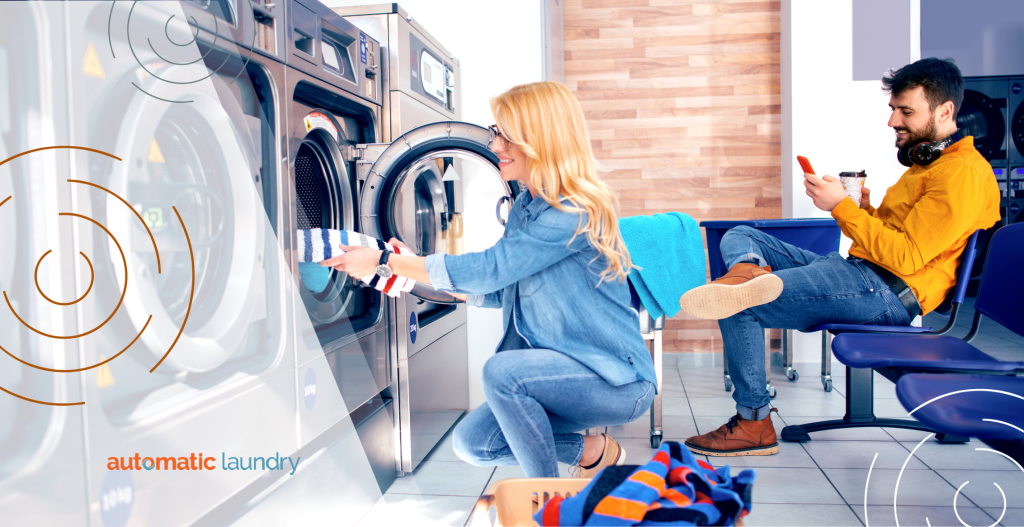
Community laundry spaces shape how residents plan their routines, interact with neighbors, and perceive the quality of their living environment. Unlike private appliances, shared machines introduce time pressure, visibility, and competition for resources, which influence behavior in subtle but important ways. Residents often adjust their schedules around peak usage windows, keep a close eye on cycle times, and develop personal strategies to secure access to machines. These habits can create patterns that feel predictable to residents but appear chaotic to property managers who lack visibility into daily usage.
For property managers, understanding these behavior patterns is not just helpful. It directly impacts satisfaction, machine longevity, and operational efficiency. Small frustrations, such as unclear availability or inconsistent payment systems, can quickly turn into recurring complaints. On the other hand, a well-managed laundry room can quietly improve resident retention and reduce maintenance issues. When managers take the time to observe and respond to how people use shared laundry equipment, they can create a smoother, more reliable experience that benefits everyone in the building.
Behavior patterns in shared spaces
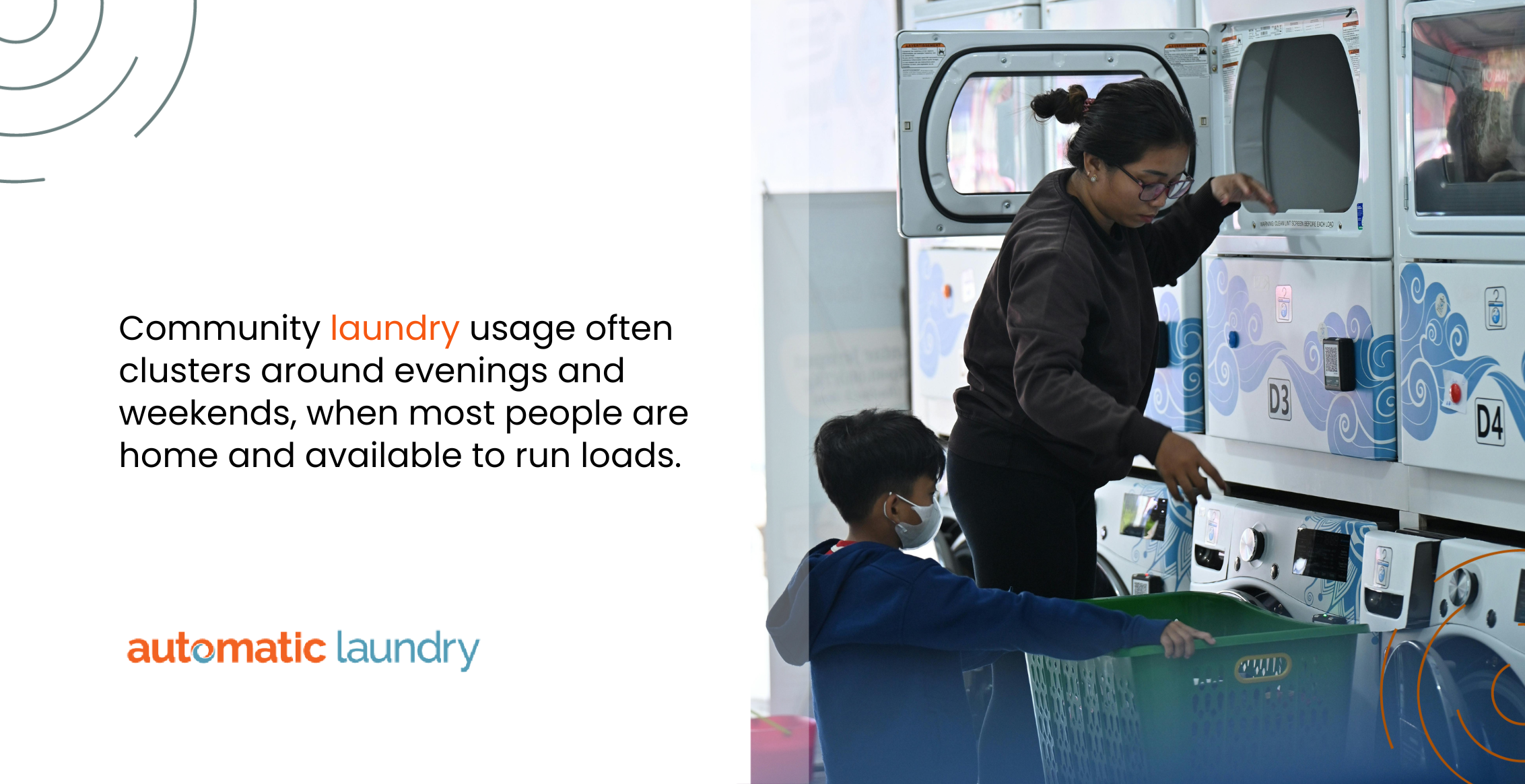
In any building, patterns begin to emerge once residents interact with shared machines over time. Community laundry usage often clusters around evenings and weekends, when most people are home and available to run loads. This leads to natural bottlenecks, where multiple residents compete for limited machines and wait times increase.
Another common behavior involves machine preference. Residents may favor certain washers or dryers from perceived reliability or performance, creating uneven wear across equipment. Payment systems also influence behavior. Coin-operated machines may cause delays when residents do not have the correct change, while app-based laundry systems tend to reduce friction and speed up turnover.
Cleanliness plays a role as well. Some residents leave lint or detergent residue behind, while others expect a spotless machine before use. These mismatched expectations can lead to tension. Understanding these patterns gives property managers a clearer view of where friction starts and how it spreads throughout the community.
Education reduces friction points
Effective resident education can significantly reduce these friction points by setting clear expectations and reinforcing shared responsibility. Property managers can use signage, onboarding materials, and periodic reminders to communicate best practices, such as promptly removing laundry when cycles finish, cleaning lint traps, and reporting machine issues. Simple visual cues placed near machines, like step-by-step usage instructions or etiquette guidelines, help reinforce habits at the point of use.
Digital channels, including resident portals or email newsletters, can further promote awareness by sharing tips during peak usage times. Hosting occasional reminders about peak-hour courtesy or incentivizing off-peak usage can also smooth demand. When residents understand the why and how behind proper shared-space behavior, they are more likely to cooperate, reducing conflict and improving overall efficiency.
Improving the community laundry experience
Once patterns are clear, property managers can take practical steps to improve how residents interact with shared machines. In a community laundry setting, clear communication is one of the most effective tools available. Simple signage that explains machine use, cycle times, and etiquette can reduce confusion and prevent common issues.
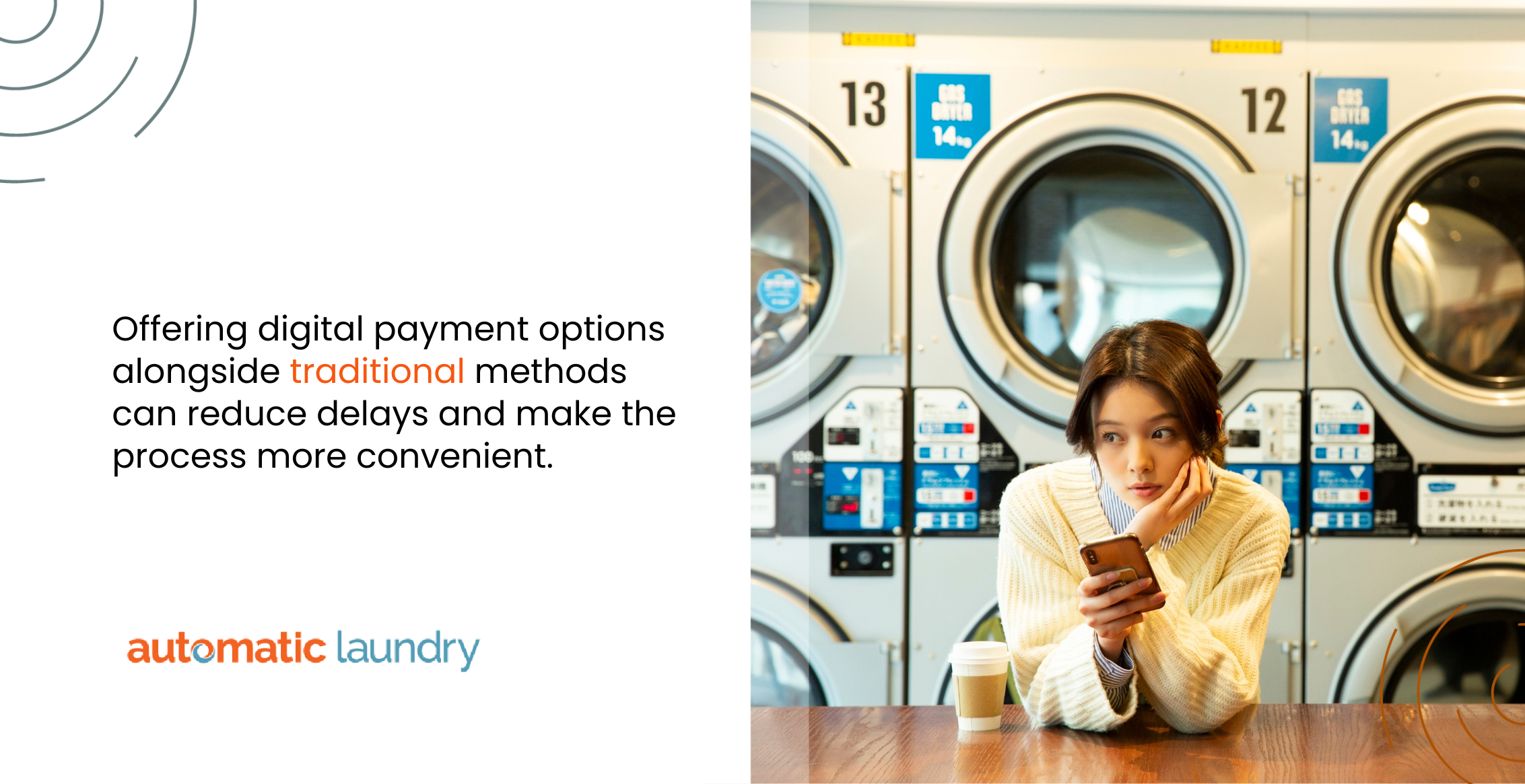
Payment flexibility also matters. Offering digital payment options alongside traditional methods can reduce delays and make the process more convenient. Maintenance visibility is another important factor. Posting service schedules or updates reassures residents that machines are cared for and reduces frustration when issues arise.
Layout and flow should not be overlooked. Even small adjustments, such as organizing machines in a logical order or adding folding space, can improve efficiency. When residents feel that the space is thoughtfully designed and well managed, they are more likely to follow guidelines and treat the equipment with care.
Measuring what matters
Tracking performance helps property managers understand whether changes are making a real impact. In a community laundry environment, a few key metrics can provide valuable insight without requiring complex systems. Machine uptime is one of the most important indicators. Frequent outages or long repair times often lead to dissatisfaction and overcrowding.
Wait time is another useful measure. Observing how long residents wait during peak hours can highlight whether additional machines or scheduling solutions are needed. Feedback also plays a role. Short surveys or informal check-ins can reveal concerns that are not immediately visible.
Small changes, big impact with automatic laundry
Improving a community laundry room doesn’t require a complete overhaul. Community laundry success often comes from consistent attention to the details that shape daily use. When property managers understand how residents behave, they can make targeted adjustments that reduce friction and create a smoother experience.
Automatic Laundry helps simplify this process with modern equipment, flexible payment systems, and reliable service support. Property managers gain better control over operations while residents enjoy a more convenient and predictable routine. Upgrading your laundry space creates a better living experience for your entire community.
If you’re ready to improve satisfaction and streamline your laundry operations, Automatic Laundry can help you take the next step with confidence.
