


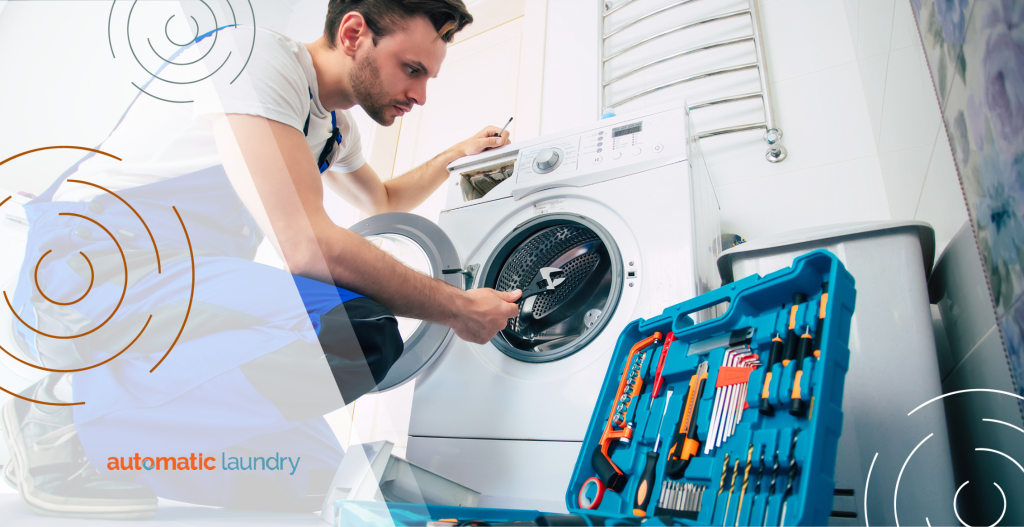
Washing machine maintenance keeps shared laundry equipment running efficiently and avoids costly service interruptions. Even a single machine outage can lead to resident complaints, lost revenue, and unnecessary stress for property owners. The good news is that not every component requires constant attention. A focused approach centered on a few high-impact parts can make a measurable difference in performance and longevity.
In multi-unit properties, machines often operate at higher volumes than residential units, which accelerates wear on internal components. Small parts such as belts, seals, and valves handle repeated stress during every cycle. When one of these parts fails, the entire machine can suffer. Instead of waiting for breakdowns, routine inspections and minor replacements can prevent larger issues from developing.
Identifying the three essential components that deliver the greatest return on effort makes washing machine maintenance easier for everyone. With consistent attention to these parts, property managers can reduce downtime, extend equipment life, and keep residents satisfied with reliable laundry access.
Why targeted washing machine maintenance matters
Focusing on a small number of components can dramatically improve maintenance efficiency without adding unnecessary workload. Many service calls trace back to a handful of high-wear parts that degrade faster than others. When these components are ignored, minor issues can quickly turn into expensive repairs or full equipment replacement.
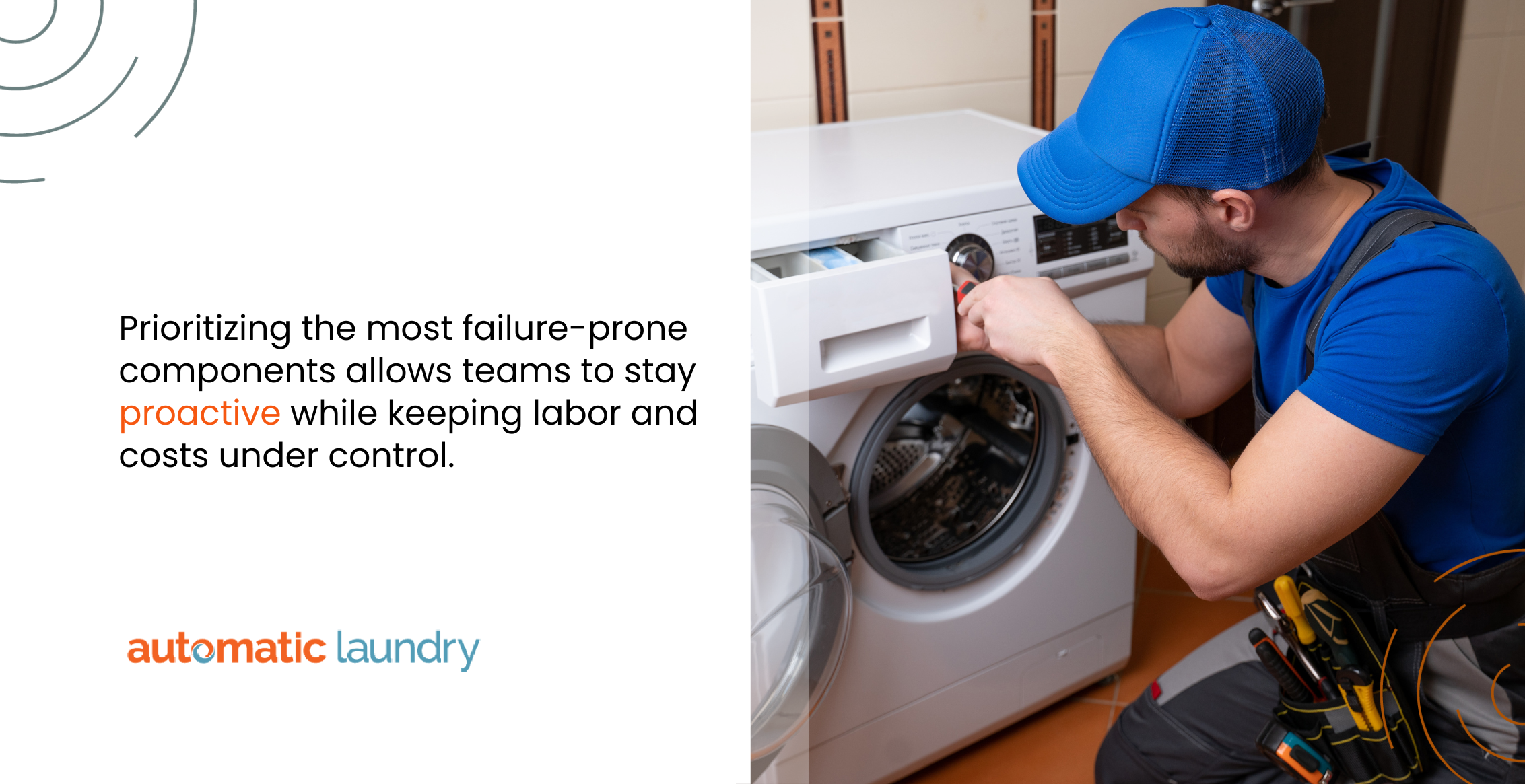
Property managers often juggle multiple responsibilities, so a streamlined approach to washing machine maintenance is far more practical than attempting to inspect every internal part. Prioritizing the most failure-prone components allows teams to stay proactive while keeping labor and costs under control. It also reduces the frequency of emergency repairs, which tends to disrupt residents and strain maintenance schedules.
Another key benefit is consistency. When maintenance routines are simple and repeatable, staff members are more likely to follow them regularly. Over time, this consistency leads to better-performing machines and fewer unexpected breakdowns. A targeted strategy also makes it easier to track patterns, such as recurring wear on specific parts, which can inform future equipment decisions.
3 key components for effective washing machine maintenance
In shared laundry environments, the difference between reliable equipment and frequent service calls often comes down to a few hardworking components behind the scenes. While every part inside a washing machine has a purpose, certain elements carry more strain than others during daily operation. Over time, that constant demand becomes apparent, and small signs of wear can quietly build into larger performance issues.
It’s often these overlooked components that shape how well a machine runs, how long it lasts, and how often it needs attention. When one starts to decline, the impact rarely stays contained. Performance can slip, cycles may take longer, and additional stress can spread to other parts of the system.
Looking closely at these key areas offers a clearer picture of where problems begin and how consistent washing machine maintenance can keep equipment running smoothly.
-
Belts and mechanical wear points
One of the most common issues in commercial laundry equipment involves worn belts that affect drum movement. Over time, constant use leads to stretching, cracking, or slipping, reducing efficiency and eventually stopping the machine from operating. Property managers looking to extend washing machine life should pay close attention to early warning signs such as squeaking noises or inconsistent spinning.
Regular washer maintenance tips include visually inspecting belts for wear and checking tension levels during routine service visits. When belts begin to degrade, replacing them early prevents additional strain on the motor and other internal components. This simple step helps avoid larger mechanical failures and keeps machines operating smoothly.
In high-use environments, scheduling periodic checks for these mechanical wear points can significantly reduce downtime. It also supports better overall laundry equipment upkeep, since a properly functioning belt allows the entire system to perform as intended.
-
Door seals and moisture control
Door seals, also known as gaskets, play a vital role in preventing leaks and maintaining proper machine hygiene. These rubber components are constantly exposed to moisture, detergent residue, and debris, which makes them vulnerable to mold growth and deterioration. Over time, damaged seals can lead to water escaping the machine and causing damage to surrounding areas.
For those managing shared laundry spaces, removing buildup and inspecting seals should be part of routine commercial laundry equipment care. Cracks, warping, or persistent odors often signal that a seal needs attention. Keeping this component in good condition not only protects the machine but also improves the overall user experience for residents.
Consistent cleaning and timely replacement help prevent larger maintenance issues. This approach also supports efforts to prevent washer breakdowns, since leaks and moisture intrusion can affect nearby electrical and mechanical systems.
-
Water inlet valves and flow efficiency
Water inlet valves control how water enters the washing machine, making them essential for proper cycle performance. When these valves become clogged with mineral deposits or debris, water flow can become inconsistent or restricted. This often leads to longer cycle times and poorly cleaned laundry.
Property management maintenance routines should include monitoring water flow and identifying changes in performance. If machines take longer to fill or fail to reach appropriate water levels, the inlet valve may require cleaning or replacement. Addressing this issue early helps maintain efficiency and prevents strain on other components.
In buildings with hard water, these valves may require more frequent attention due to mineral buildup. Incorporating this step into regular washer maintenance tips can improve reliability and extend the overall lifespan of the equipment. Keeping water flow consistent also helps maintain predictable cycle times, which residents appreciate in shared laundry settings.

Protect your equipment the right way
Reliable laundry equipment starts with consistent attention to the parts that matter most. Washing machine maintenance does not need to be complicated to be effective. When property managers focus on belts, door seals, and water inlet valves, they address the root causes of many common failures.
Taking a proactive approach reduces repair costs, limits service disruptions, and keeps residents satisfied with dependable machines. Small, routine checks can prevent larger issues and extend the life of every unit in your laundry room.
If your current maintenance plan feels reactive or inconsistent, now is the time to refine it. Partner with a trusted laundry service provider like Automatic Laundry to implement a simple inspection schedule that your team can follow with ease. A small investment in preventive care today can save significant time and money in the long run while keeping your property running smoothly.
