


Washing machine maintenance is one of the most effective ways to keep a shared laundry room running smoothly. When property managers have a clear schedule in place, they can reduce downtime, prevent costly repairs, and create a better experience for residents who depend on clean, working equipment. A laundry room that gets regular attention is less likely to suffer from leaks, odor, buildup, or breakdowns that disrupt daily routines.
It also helps staff stay ahead of small issues before they turn into expensive service calls. In multi-housing settings, even a minor machine problem can lead to complaints and frustration if it is left unaddressed. A practical maintenance plan gives property teams a simple way to stay organized and consistent. This article outlines what to inspect weekly, monthly, and seasonally so managers can build a schedule that works in real life. With the right process, washing machine maintenance becomes easier to manage and more effective over time.
Why a maintenance schedule matters
A clear maintenance schedule keeps laundry rooms from slipping into reactive mode. Without one, small issues tend to grow into larger problems that take machines out of service and create frustration for residents. Washing machine maintenance supports better equipment performance, fewer emergency repairs, and lower long-term costs. It also helps property teams plan their workload instead of responding to problems at random. When machines are cleaned, inspected, and serviced regularly, they are more likely to stay reliable and last longer.
Residents notice when the laundry room is clean, functional, and easy to use, which can improve satisfaction with the property overall. A schedule also creates accountability for staff and vendors because everyone knows what needs to happen and when. That level of consistency makes it easier to spot patterns, track recurring issues, and act before a minor concern turns into downtime.
Start with weekly checks
Weekly inspections are the foundation of a strong laundry room routine. These checks don’t need to take long, but they should cover the most visible signs of trouble. Staff should look for leaks, unusual noise, vibration, loose hoses, and build-up around machine bases or controls. Washing machine maintenance is more effective when it catches these issues early, before they affect performance or create resident complaints.
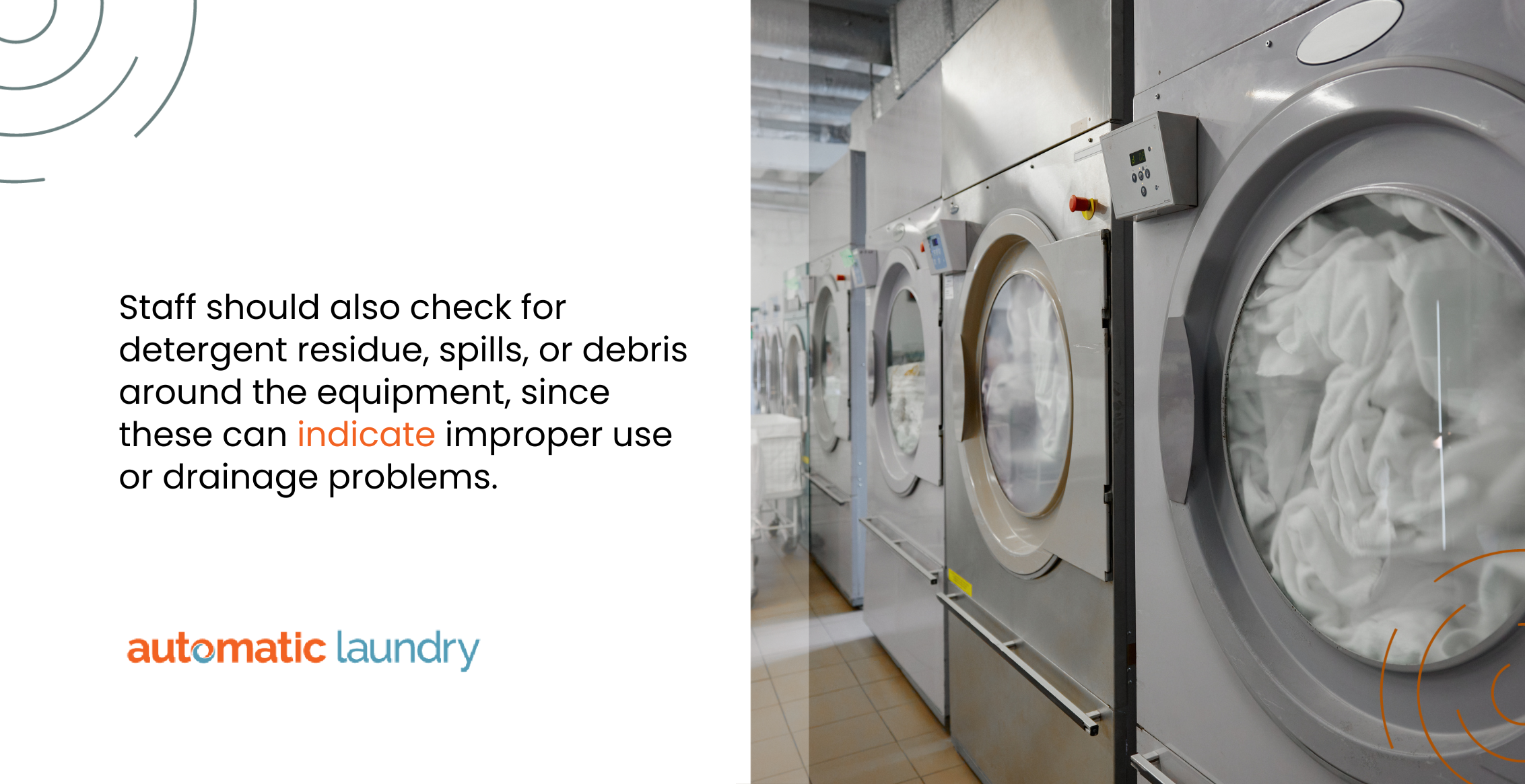
Staff should also check for detergent residue, spills, or debris around the equipment, since these can indicate improper use or drainage problems. A quick weekly walkthrough gives property teams a chance to clean the area and confirm that every machine is operating as expected. It also creates a regular rhythm that keeps the laundry room from being ignored. Even a short inspection can reveal signs that a machine needs deeper cleaning or professional service. That simple habit helps protect equipment and supports a more dependable laundry experience.
Build a monthly checklist
Monthly tasks should go deeper than surface checks. This is the time to clean detergent dispensers, inspect door seals, review hoses, and watch for odor or residue inside the drum. Monthly washing machine maintenance addresses the buildup that daily use can leave behind. Property teams should also check drainage performance and look for signs that a machine is not completing cycles properly. Keeping a written record of these checks makes it easier to track repeat concerns and identify machines that may need repair.
Monthly routines are also a good time to review whether residents are using the equipment properly or whether clearer signage is needed. Small adjustments can prevent larger problems later. When monthly maintenance is part of the schedule, property managers can stay ahead of wear and keep machines operating more consistently. That kind of routine care supports cleaner machines, fewer complaints, and less disruption for the building.
Add quarterly and seasonal tasks
Quarterly and seasonal tasks help round out the maintenance plan. These checks should cover deeper items like drain systems, internal components, venting areas when applicable, and professional service reviews. Washing machine maintenance should also adjust for changes in usage, since high-traffic properties may need more frequent inspections during busy periods. Seasonal weather shifts can create added strain on laundry equipment, especially in buildings with heavy resident turnover or increased winter use.
This is a good time to review service logs and look for patterns in breakdowns or repeated complaints. If a machine requires multiple repairs in a short period, it may be time to evaluate whether replacement is the smarter long-term choice. Quarterly planning gives property managers a bigger-picture view of equipment condition and upcoming needs. That helps teams avoid surprise failures and budget more effectively. A seasonal review also keeps maintenance from becoming overly routine, since it encourages staff to look for emerging issues before they grow.
Assign clear responsibility
A maintenance plan works best when everyone knows their role. If tasks are unclear, important steps can be missed or repeated inconsistently. Washing machine maintenance should have designated owners for daily cleaning, weekly inspections, monthly checks, and outside service coordination. That may mean assigning duties to in-house staff, a management team, or a trusted vendor depending on the property’s size and structure. A simple shared checklist can help keep responsibilities visible and reduce confusion.
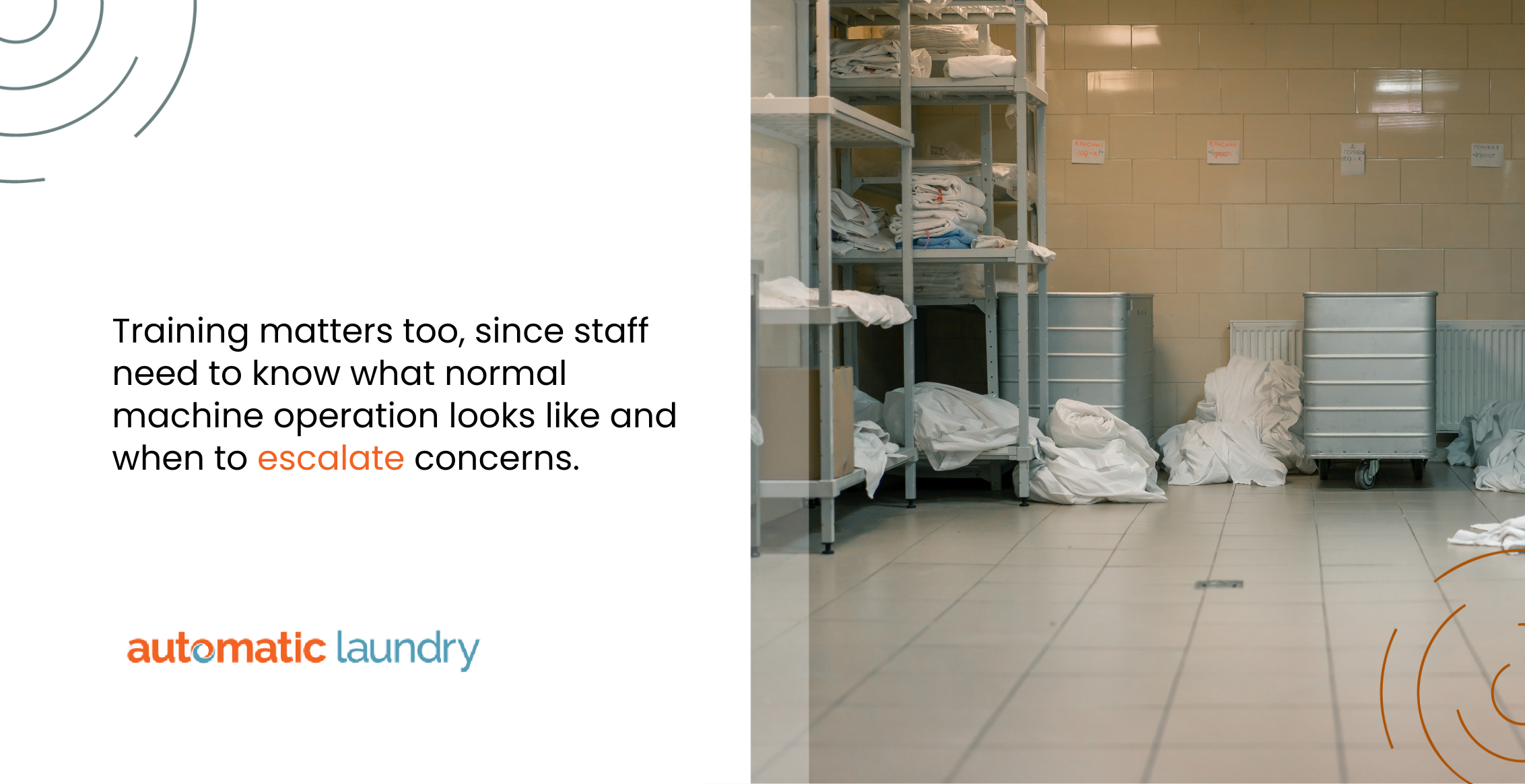
Digital tracking tools can also make it easier to document completed tasks and follow up on problems. Training matters too, since staff need to know what normal machine operation looks like and when to escalate concerns. Clear responsibility keeps the schedule realistic and easier to follow over time. When people understand what they are accountable for, maintenance is more likely to happen on time. That consistency protects equipment and helps keep the laundry room running without unnecessary interruption.
Track issues over time
Recording issues is just as important as fixing them. A good maintenance schedule should include a way to note complaints, service calls, and repeated machine problems. Washing machine maintenance becomes more strategic when property managers can see patterns instead of treating each issue as isolated. For example, one machine may have repeated drainage concerns, while another may be prone to vibration or odor. Those details can help managers decide between repair and replacement. Tracking also supports better budgeting because recurring costs become easier to predict.
Build a better washing machine maintenance routine
A reliable laundry room starts with a maintenance plan that fits the property and is followed. Washing machine maintenance doesn’t need to be complicated to be effective. It just needs structure, accountability, and regular attention. Property managers who stay proactive can reduce downtime, extend equipment life, and avoid the stress of constant repairs. Residents notice the difference when machines work properly and the room stays clean and functional.
Automatic Laundry helps property teams create laundry solutions that support efficiency, consistency, and long-term performance. If your property needs help improving laundry room operations or building a smarter washing machine maintenance strategy, our team is ready to help you protect your investment and keep residents satisfied.
