
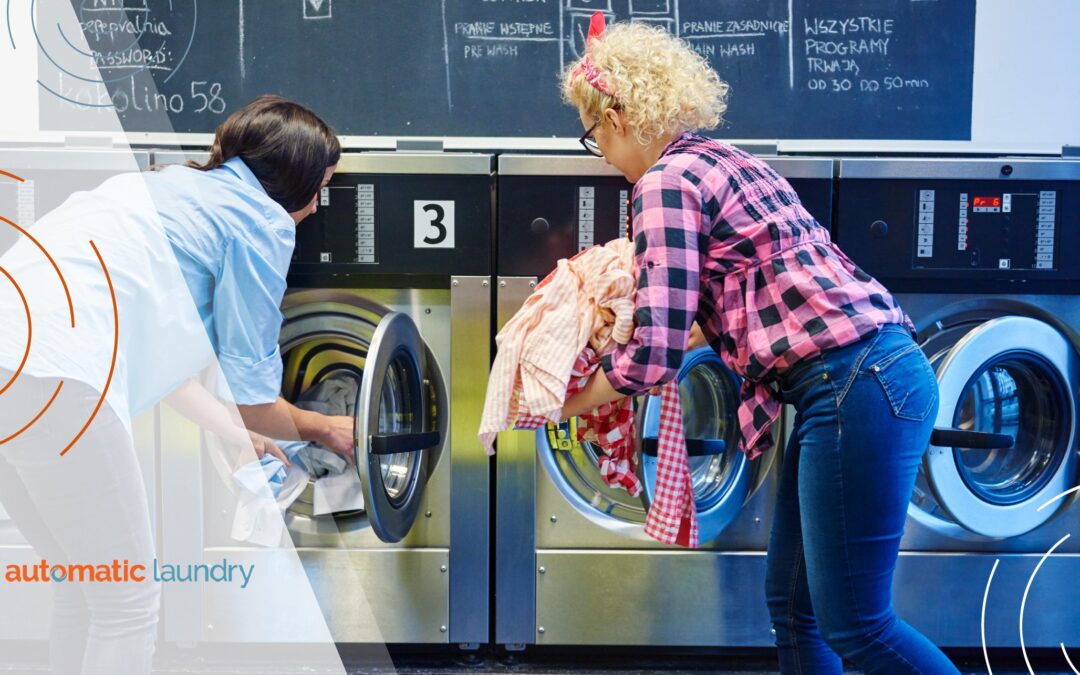
In today’s college and university residence halls, every shared space has the potential to enhance the resident experience, especially the laundry room. While community laundry areas are often treated as purely functional, they can also serve as casual gathering points that promote interaction, mutual respect, and even new friendships. For residence halls looking to improve student resident engagement and resident satisfaction, creating opportunities for community-building in these shared areas is an often overlooked but impactful strategy.
Well-managed community laundry rooms not only make everyday tasks more efficient but also set the tone for how residents interact with each other. With a little structure, some creativity, and the right laundry setup, residence halls can turn this chore into a chance for casual conversation, support, and connection.
1. Designing Spaces that Invite Interaction
Physical layout plays a major role in how welcoming a community laundry room feels. Residence halls that prioritize open sightlines, clear signage, and comfortable lighting foster a safer, more social environment. A few small additions, such as a bulletin board for community news or a counter for folding clothes, can make the space feel less transactional and more communal.
Some buildings go a step further by placing the laundry room near a shared lounge or study space. This helps extend the social function of the laundry area by encouraging residents to linger, work, or chat while waiting for their cycle to finish. According to this blog post, small touches like coordinated design or student art displays can significantly improve how a laundry space is perceived.
2. Hosting Events Around Laundry Time
According to the 2019–20 Assessment Overview from Housing and Residence Life at the University of North Carolina Greensboro, 925 events were held by Resident Assistant (RA) staff in just one academic year, showing how active residence hall programming can be. Incorporating laundry-themed events like Laundry and Learning nights (where residents study together while doing laundry) or Sock Swap Sundays (where students exchange mismatched or unused socks) into this schedule can turn routine chores into fun, community-building opportunities.. These low-pressure gatherings make use of downtime in shared spaces, encouraging social interaction and helping residents form stronger connections in a relaxed setting.
Furthermore, this allows new residents to ease into social interactions without needing to sign up for formal events. It can even serve as a natural break during studying, offering a chance to step away from the books, decompress, and connect with others in a low-pressure setting. As emphasized in this blog post, shared laundry experiences are a natural opportunity for people to meet, especially when paired with low-pressure programming that welcomes everyone.
3. Promoting Respectful Shared Use
Building community in shared spaces also requires shared responsibility. Clear expectations for laundry room behavior help prevent friction and keep things running smoothly. Encouraging residents to use sign-up sheets during peak hours, promptly removing clothes after cycles, and cleaning up spills contributes to a more respectful environment.
Displaying reminders near machines and sharing tips like how to use the right amount of detergent or follow proper wash times can reduce common frustrations. Peer-led reinforcement, especially from RAs, helps build a culture of mutual respect, which is the foundation for any thriving community laundry environment.
4. Using Digital Tools to Enhance the Experience
Modern laundry rooms equipped with smart systems like LaundryConnect™ Pay offer more than just digital payments; they create smoother, more efficient laundry experiences for all residents. The ability to track machine availability, receive cycle notifications, and report issues remotely helps avoid crowding and miscommunication in high-traffic dorm buildings.
These digital upgrades don’t just improve convenience; they also support a better overall sense of community by reducing common laundry-related complaints. Residents feel more in control and less likely to disrupt others unintentionally. Additionally, minimizing downtime through smart tech is a key factor in improving the resident experience in shared laundry spaces.
5. Encouraging Peer-Led Initiatives
Peer-led initiatives in residence halls can have a meaningful impact on community building. According to a study published in ScienceDirect, students engaged in community service peer-leader roles reported positive change on more outcomes than those in academic, residence hall, or orientation roles, underscoring the value of peer mentorship. This supports the idea of introducing “Laundry Mentors”, who are upperclassmen that share tips on laundry basics, machine use, or even general campus living.
These informal interactions foster connection, ease transitions for new residents, and build a culture of support. Whether it’s helping someone decode laundry symbols or offering detergent recommendations, peer guidance can make the laundry room feel more welcoming.

AUTLA_Blogs_36
Conclusion
A community laundry room can be a space that reflects the values of shared respect, inclusive design, and intentional connection. From tech-enabled convenience to thoughtful event programming, residence halls that invest in the social potential of their laundry areas create stronger communities and more satisfied residents.
To enhance your residence hall’s community laundry experience and explore technology that supports better resident engagement, contact us today. Our team offers tailored solutions that help transform your laundry spaces into vibrant, connected environments.
