
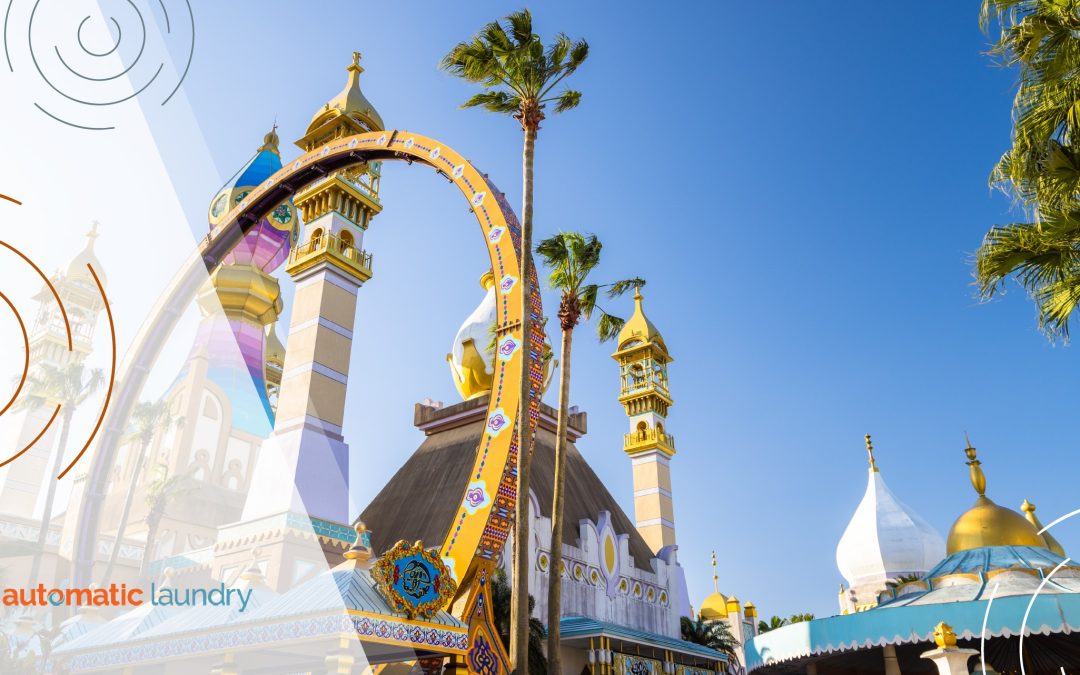
Laundry room design plays an essential role in how theme parks keep their operations running efficiently and maintain a positive guest experience. Every day, these facilities process thousands of items, including colorful costumes, durable staff uniforms, and guest linens from hotels and attractions. Each piece must look clean, feel comfortable, and reflect the park’s commitment to quality.
Performers rely on spotless costumes that preserve their color and detail, while staff members depend on uniforms that can withstand outdoor weather conditions and frequent washing without fading or losing shape. Guests expect crisp sheets and fresh towels that meet hospitality standards.
Achieving this level of consistency requires a well-structured, durable workflow supported by smart laundry room design. Proper zoning, efficient sorting systems, and reliable equipment keep large volumes of textiles moving smoothly through each stage. With the right design principles in place, laundry operations can meet demanding schedules while maintaining cleanliness, safety, and long-term efficiency.
Distinct demands of theme park laundry
Theme-park laundry operations face demanding conditions that require precision, speed, and dependability. Every fabric category has unique needs, from entertainment costumes to staff uniforms and guest linens. Costumes often feature intricate materials such as sequins, foams, and bright fabrics that must maintain their appearance through frequent cleaning. Specialized care, gentle wash cycles, and temperature control help protect these delicate details while keeping them show-ready each day.
Uniforms present a different challenge. They endure heavy wear in kitchens, rides, and outdoor areas, often exposed to stains, weather, and perspiration. Consistent washing cycles, stain removal processes, and the use of color-safe detergents extend their lifespan while keeping staff comfortable and professional.
Guest linens bring another layer of complexity to laundry operations. Hotels and resort areas within the park must handle high turnover and varying soil conditions while maintaining fast and efficient service. Thoughtful laundry room design helps manage sorting, washing, and restocking, allowing linens to move smoothly through the system and return to guests spotless and fresh.
Core principles of theme park laundry room design
An effective laundry system in a theme park starts with thoughtful planning and organization. Each stage of the process, from sorting to final distribution, must flow in a logical order to prevent cross-contamination and keep operations on schedule. Clear zoning allows staff to move items smoothly from dirty to clean areas without backtracking, which improves safety and productivity.
Material selection is another important consideration. Floors, walls, and drains must withstand constant use, moisture, and exposure to cleaning chemicals. Durable surfaces reduce maintenance and improve safety, especially in wet areas where carts and equipment move continuously.
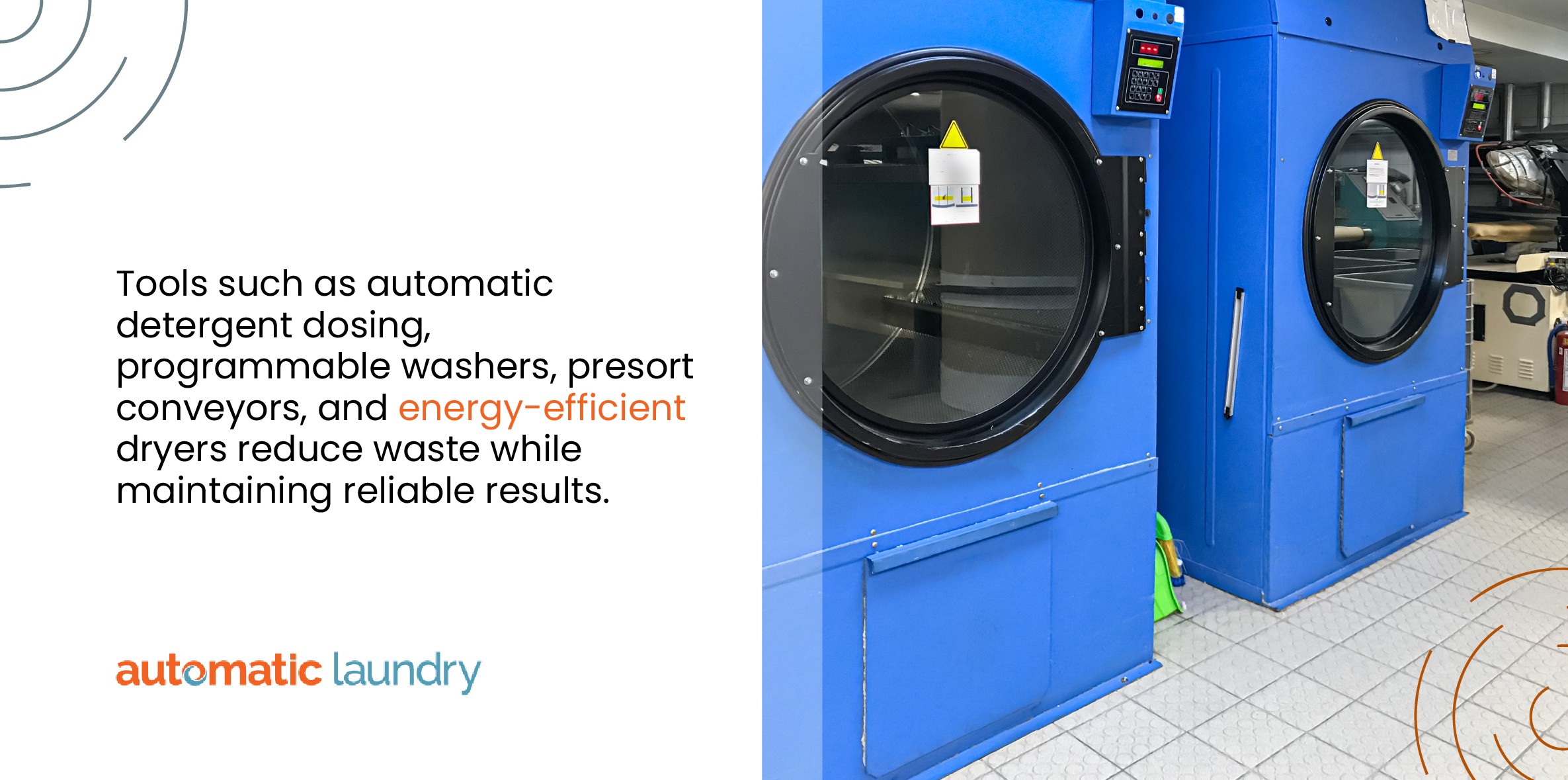
Automation enhances quality and consistency throughout the process. Tools such as automatic detergent dosing, programmable washers, presort conveyors, and energy-efficient dryers reduce waste while maintaining reliable results.
Every design should include growth plans. Laundry room design that incorporates modular work zones, scalable batching, and flexible equipment layouts helps theme parks manage seasonal surges and future expansion without disrupting daily workflow.
Equipment and processing strategies
Successful theme-park laundry operations depend on equipment choices and processes that match the volume and variety of textiles handled each day. Sorting systems designed for costumes, uniforms, and guest linens create efficiency and prevent cross-contamination. Clear labeling and color-coded hampers reduce errors and save time as items move through each stage of cleaning.
Modern washing programs address specific fabric needs while maintaining hygiene standards. High-temperature cycles support sanitization for linens, while gentle programs protect delicate costume materials. Using color-safe detergents helps preserve fabric brightness and prolong garment life.
Drying and finishing systems add another layer of efficiency. Parallel dryers, heat recovery units, and low-crease folding stations shorten turnaround times while keeping textiles looking their best.
Maintenance routines protect long-term operations. Regular inspections, preventive care, and quick access to repair kits reduce downtime. Strong vendor support agreements also play an important role in keeping laundry room design efficient and dependable throughout the busiest seasons.
Operational impact: cost, durability, and guest experience
Thoughtful design choices in a theme park laundry operation can greatly improve cost control, reliability, and overall performance. A well-organized space minimizes downtime and extends the life of textiles, which lowers replacement expenses across thousands of items. When equipment is placed strategically, and workflows move in a steady sequence, staff spend less time transferring loads and more time focusing on quality.
A durable laundry room design also improves worker safety and comfort. Non-slip floors, clear pathways, and ergonomic folding and sorting stations reduce physical strain while supporting faster turnaround. Automation tools such as energy-efficient machines and automatic dosing systems further increase consistency and reduce manual fatigue.
Guests benefit directly from these efficiencies. Costumes are refreshed on schedule, staff uniforms stay professional, and linens remain bright and clean. Fewer delays and consistently high-quality textiles contribute to a positive impression that reinforces the theme park’s reputation for care, cleanliness, and efficiency.
Operation roadmap for business owners
Developing an efficient theme-park laundry operation begins with a clear, step-by-step plan. The first stage involves assessing current workflows, equipment performance, and overall capacity. This review helps identify bottlenecks and priorities for improvement. The next step focuses on system design and layout, working with experienced partners to create a plan that fits operational goals and supports a durable laundry room design.
Vendor selection follows, with attention to reliability, service agreements, and technology support. A small pilot phase allows managers to test equipment performance and confirm that the new systems meet production targets before scaling to full rollout.
Budgeting plays an important role throughout the process. Owners should balance capital and operating costs while accounting for depreciation, energy consumption, and maintenance contracts. Training staff and introducing standard operating procedures during transition helps maintain consistency and performance once the new design is fully implemented.
Commit to smarter laundry operations today
A purpose-built laundry system supports every part of theme park operations, from costume care to guest comfort. When laundry processes run efficiently, textiles last longer, staff work more safely, and visitor satisfaction improves. A well-designed space also helps control long-term costs through better organization and energy management.
Working with experts in commercial laundry room design allows park owners to develop systems that fit their scale, staffing, and performance needs. Partnering with a trusted provider like Automatic Laundry is the best next step toward creating a dependable, high-performing laundry operation that keeps the park running smoothly every day.
