
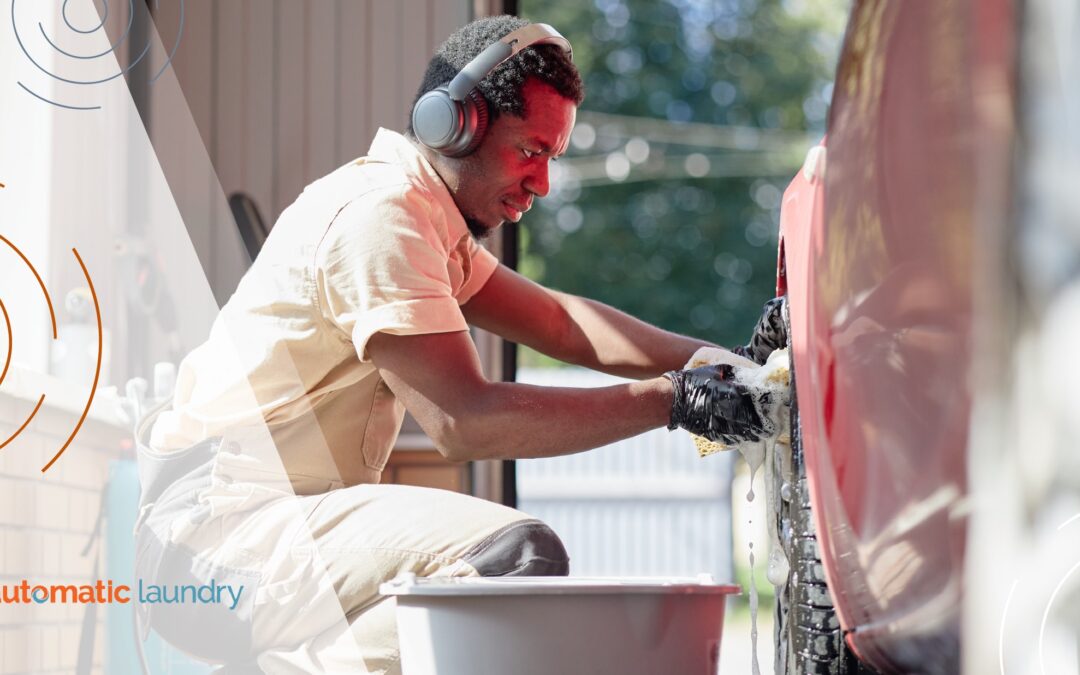
Modern car wash operations rely heavily on clean, ready-to-use towels to maintain efficiency and customer satisfaction. With dozens of cars processed each hour, managing the volume of towels can quickly become a time-consuming task if handled manually. This is where laundry automation offers measurable advantages—reducing turnaround times, improving wash quality, and cutting operational costs.
As towel throughput increases, automation allows smaller car wash businesses to streamline the washing, drying, and folding process while ensuring every towel meets professional-grade cleanliness standards. Below are five practical tips to help you optimize towel management through advanced laundry automation systems.
1. Choose Commercial-Grade Machines Built for Continuous Use
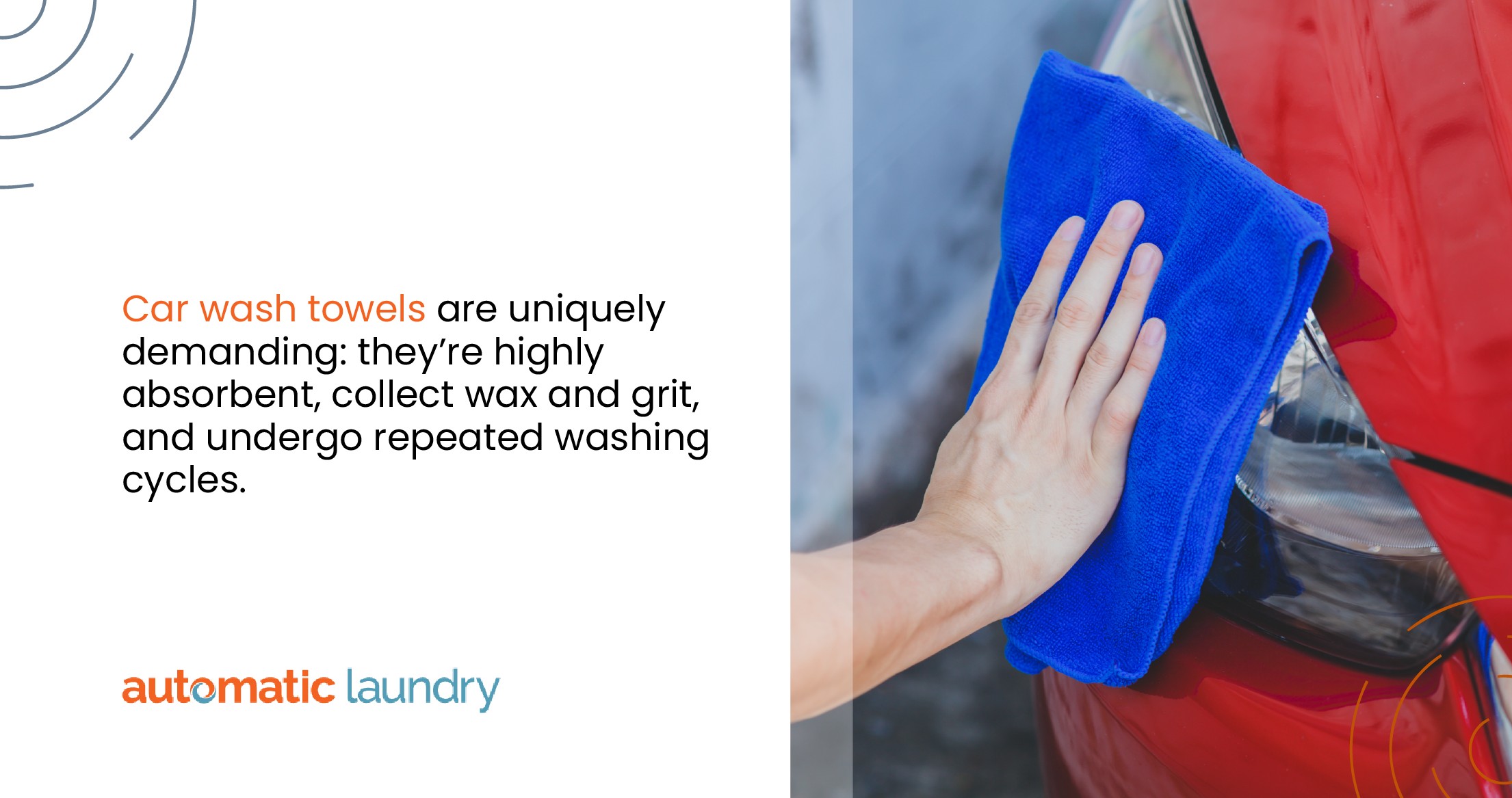
Car wash towels are uniquely demanding: they’re highly absorbent, collect wax and grit, and undergo repeated washing cycles. That means standard residential units won’t suffice. Investing in commercial laundry automation systems—like those used in hospitality or on-premise facilities—can drastically improve efficiency.
Machines with high-speed extraction and automatic chemical dosing can cut drying time and ensure consistent results, load after load. For instance, commercial washers such as Speed Queen Quantum® units, available through Automatic Laundry’s commercial solutions, optimize every cycle through advanced programming that minimizes water and detergent waste. Over time, these machines pay for themselves through reduced maintenance, lower energy use, and higher throughput.
2. Standardize Workflows for Peak Efficiency
Automation delivers the best results when supported by consistent, standardized processes. Establishing a predictable workflow—collection, sorting, washing, drying, folding—ensures that towels move efficiently through each stage without unnecessary handling.
Modern laundry automation software can program cycles by towel type or soil level, eliminating manual guesswork. This level of consistency ensures towels are washed at optimal temperature and chemical strength every time. Facilities using connected systems, like LaundryConnect™, can also track load status and machine performance in real time, minimizing downtime and freeing up staff to focus on customer-facing tasks. For more advice on creating a smooth laundry routine, check out our Laundry Tips blog section, which covers best practices for wash-day efficiency.
3. Maintain Equipment and Implement Quality Control
Even with automation, maintenance remains a cornerstone of operational success. Clean lint traps, inspect seals, and check detergent dispensers regularly. Scheduling preventative maintenance minimizes breakdowns and helps machines run at peak energy efficiency.
In addition, quality control ensures towels meet service standards before they return to the wash bay. Implementing quick visual checks, such as removing frayed or stained towels, keeps your system running smoothly and prevents contamination. For more strategies on maintaining consistent laundry results, explore our blog post.
4. Optimize Utility Use and Load Management
Energy and water efficiency play a major role in controlling operating costs. Automated laundry systems track cycle data, allowing managers to analyze usage patterns and optimize settings for maximum savings. Machines equipped with automatic water-level sensing and variable spin speeds adjust resource use dynamically based on load size and soil level. According to ENERGY STAR, certified commercial washers are on average 9% more efficient and use about 45% less water than standard models. For car washes running multiple loads daily, that 45% reduction can translate to thousands of gallons saved every month—significantly lowering utility expenses while maintaining consistent performance.
To further enhance savings, integrate heat recovery systems or schedule laundry cycles during off-peak energy hours. This data-driven approach not only lowers monthly utility costs but also contributes to sustainability goals—a factor customers increasingly value. To learn more about eco-friendly laundry processes, see this blog post.
5. Train Staff and Leverage Data for Continuous Improvement
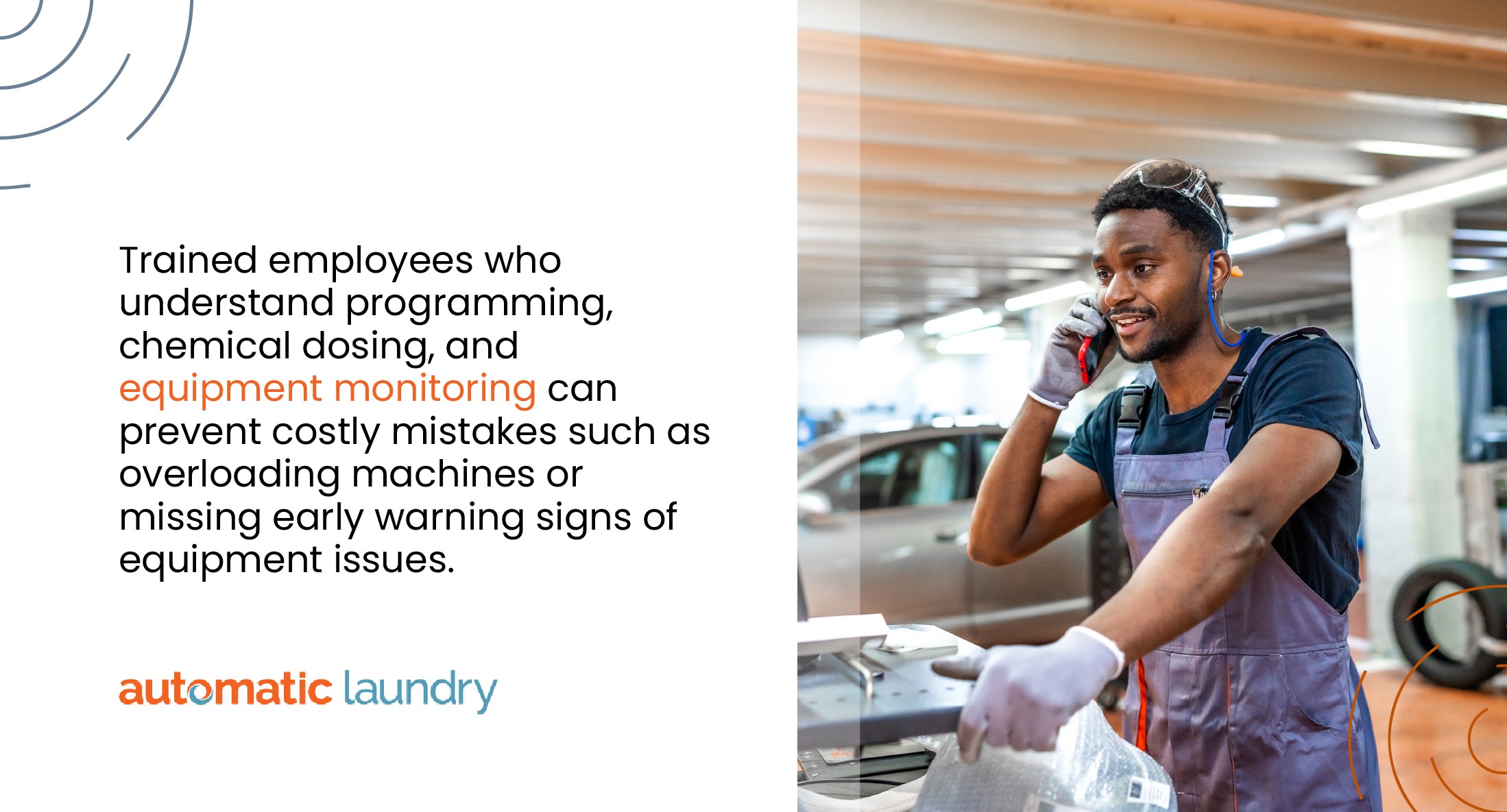
Even the most advanced laundry automation system needs knowledgeable operators. Regular staff training ensures consistent use of features like cycle programming, load balancing, and remote monitoring. According to 6 Sigma, companies with strong training programs see 24% higher profit margins than those without structured development plans. In the context of laundry automation, trained employees who understand programming, chemical dosing, and equipment monitoring can prevent costly mistakes such as overloading machines or missing early warning signs of equipment issues. This training advantage not only improves efficiency but also reduces waste, lowers repair costs, and enhances overall resource utilization.
Additionally, reviewing usage data helps car wash managers identify bottlenecks or unnecessary cycles. Analytics from connected machines can reveal when machines sit idle or run below capacity, helping you fine-tune scheduling for optimal throughput. Continuous improvement supported by data keeps operations efficient and future-ready.
Conclusion
As car washes handle increasing towel loads daily, automation is becoming less of a luxury and more of a necessity. From equipment selection to data analytics, integrating laundry automation creates a faster, cleaner, and more cost-effective towel management process. With the right systems and consistent workflows, small and mid-sized operators can achieve industrial-level performance without expanding their teams or facility footprint. Contact us today to explore solutions that streamline your car wash’s laundry operations. Our experts can help design a custom automation strategy that reduces labor costs, improves towel turnaround, and enhances operational reliability.
