
Pet grooming salons, veterinary clinics, and pet boarding facilities handle some of the toughest laundry loads in any industry. Towels soaked with shampoo and pet oils, bedding exposed to accidents, and reusable cleaning cloths saturated with dander all create persistent odor challenges. For business owners and managers, lingering smells aren’t just unpleasant; they can signal poor sanitation and damage your reputation. The solution isn’t more fragrance. In this blog, we will discuss using the right laundry appliances, proper wash settings, and proven odor-neutralizing methods to eliminate the source of the smell.
Start with the Right Commercial Laundry Appliances
Consumer Reports outlines clear universal standards for any laundry appliance. That being said, pet-related soils are heavier and more complex than standard retail or hospitality laundry. Oils, urine proteins, bacteria, and dander bind tightly to fabric fibers. Residential-grade equipment often lacks the capacity, extraction force, and programmable controls needed to remove them effectively.
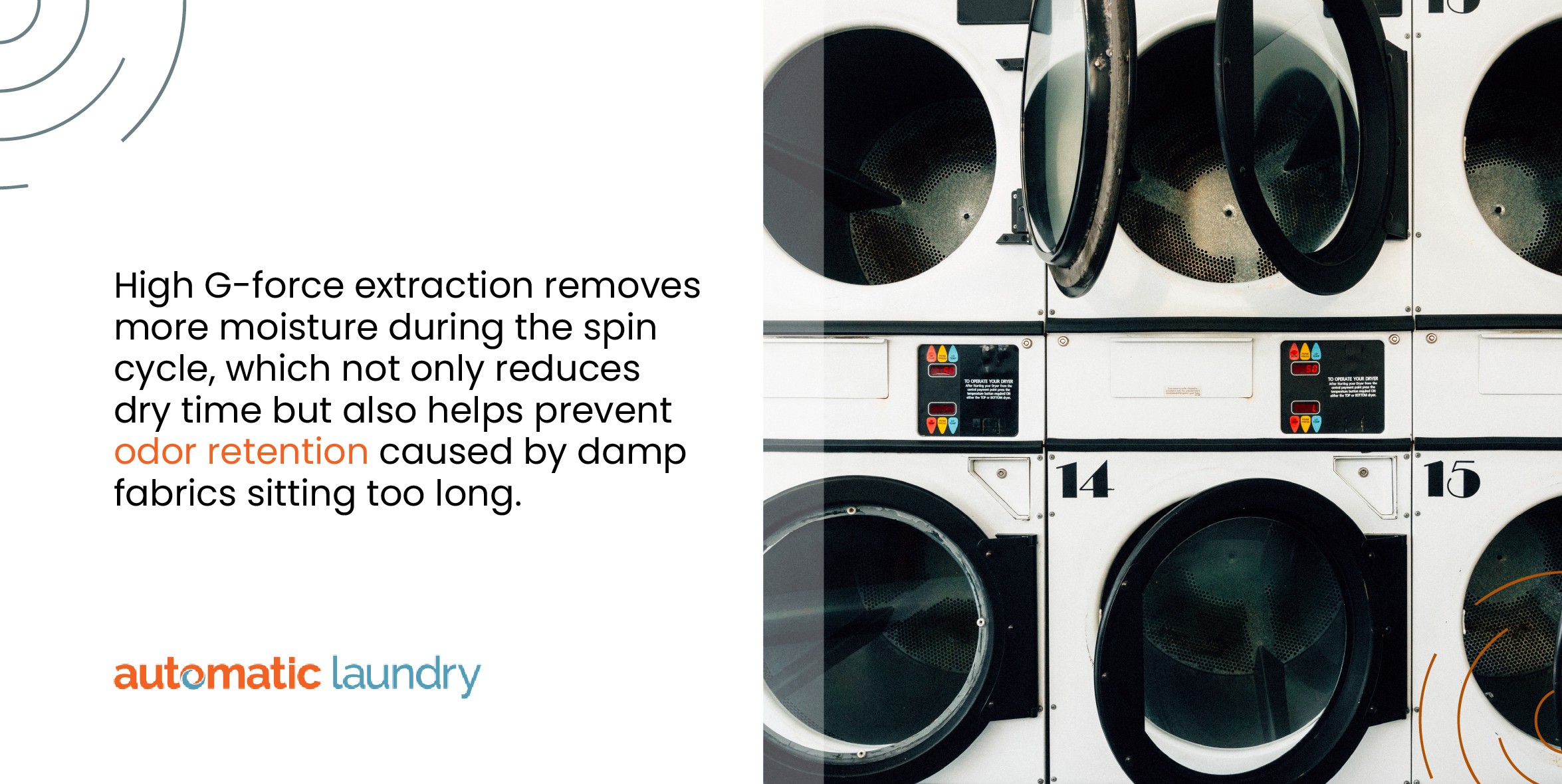
High-performance commercial laundry appliances are designed to handle larger, heavily soiled loads with deeper agitation and stronger extraction speeds. High G-force extraction removes more moisture during the spin cycle, which not only reduces dry time but also helps prevent odor retention caused by damp fabrics sitting too long. Programmable controls allow you to customize wash temperatures, pre-wash cycles, and extended agitation for heavy pet laundry. Speed Queen® machines are built with high durability and advanced technology, whether it’s commercial laundry or on-premise.
Capacity matters as well. Overloading even large machines reduces water flow and detergent penetration, leaving odors trapped in fabric. Choosing properly sized equipment ensures each load has enough space for effective cleaning. If you’re unsure whether your current system is meeting your facility’s demands, the team at Automatic Laundry can evaluate your operation and recommend solutions tailored to grooming and animal-care environments. You can also explore their service options or reach out directly through their Contact Us page to discuss your needs.
Machine Settings That Actually Eliminate Odors in Laundry Appliances
Even the best commercial laundry appliances won’t perform optimally without the correct settings. Pet laundry requires intentional programming to break down odor-causing contaminants fully.
First, water temperature plays a critical role. When fabric care labels allow, hot water helps dissolve oils and destroy odor-causing bacteria. According to The PetLab, proper laundering practices, including adequate temperature and detergent usage, significantly reduce bacteria in textiles. For grooming operations, this is essential to maintaining hygienic standards.
Second, pre-wash or flush cycles are highly effective. These cycles remove surface debris such as hair and loose dirt before the main wash begins. Without a pre-wash, soils can redeposit during the primary cycle, leading to lingering odors. Extended wash times also allow detergents and enzymes to penetrate deep into fibers, breaking down urine proteins and body oils common in pet textiles.
Finally, drying is just as important as washing. Incomplete drying allows bacteria to multiply and odors to return quickly. High-capacity commercial dryers paired with strong extraction washers ensure fabrics are fully dried in less time. Train staff to avoid removing loads prematurely and to clean lint traps frequently to maintain airflow and performance. We have more equipment-based tips on our blog regarding specialized laundry for pet facilities.
Detergents and Odor-Neutralizing Methods That Work
Effective odor control depends heavily on chemistry. Simply adding more detergent or using heavily scented products will not solve the problem, and can sometimes make it worse by leaving residue. Enzyme-based detergents are particularly effective for pet laundry. Protease enzymes target protein-based soils like urine and saliva, while lipase enzymes break down oils. These formulations attack the source of the odor instead of masking it. Oxygen-based boosters can further neutralize odor molecules while protecting fabric integrity. We recommend updating your laundry detergent to prevent lasting odors.
Industry organizations such as the American Kennel Club note that pet dander and oils cling tightly to textiles, making thorough washing critical for maintaining clean environments. Though odors can be produced by a pet through a variety of ways, incorporating odor-neutralizing additives designed specifically for institutional use can provide additional support for any heavily contaminated loads.
It’s also important to regularly maintain your laundry appliances. Residue buildup inside washers, especially from fabric softeners and excess detergent, can trap bacteria and create musty smells. Schedule routine drum cleaning cycles and professional maintenance to keep machines operating at peak performance. Automatic Laundry offers preventative maintenance services that help extend equipment lifespan and protect your investment.

Conclusion
For grooming businesses and animal-care facilities, eliminating pet odors requires more than fragrance or quick wash cycles. It demands properly sized commercial laundry appliances, carefully programmed wash settings, and detergents formulated to break down organic soils at their source. When equipment, process, and chemistry work together, fabrics come out truly clean, not just temporarily scented. If your current laundry system struggles to keep up with heavy pet loads, it may be time to reassess your setup. The right equipment and guidance can reduce rewash rates, improve hygiene, and enhance the professional image of your facility.
Contact Automatic Laundry today to learn how upgraded commercial laundry appliances and customized solutions can help your business maintain fresher, cleaner, and more hygienic textiles every day.
