

When it comes to daily routines, doing laundry is universal, but the way it’s done varies significantly across the globe. From the compact efficiency of Europe’s washer-dryer combos to the highly social nature of South American washing traditions, laundry is a reflection of culture, infrastructure, and lifestyle. Understanding how laundry services differ across continents can give us a deeper appreciation of how cultural habits shape everyday activities and provide inspiration for improving shared laundry spaces at home.
This article takes a closer look at how different countries approach laundry services, machines, and etiquette, with practical takeaways for residents and property managers alike.
1. Japan: High-Tech Machines Meet Precise Habits
In Japan, laundry is a near-daily ritual. According to Yoshitaka Miyamae, a laundry specialist at Lion Corporation, more than 70% of people in Japan do laundry every day, with the national average reaching 6.3 washing days per week (The Japan Times). This consistent frequency reflects the country’s deep cultural emphasis on cleanliness, organization, and routine. As a result, Japanese households place high importance on having reliable, easy-to-use laundry systems that can handle frequent loads efficiently.
To support this lifestyle, Japan’s laundry services have embraced compact, tech-savvy solutions. Modern laundromats in cities like Tokyo now feature machines with built-in ozone sanitization, automated detergent dispensing, and app-based payment options. In residential settings, it’s common to find all-in-one washer-dryer units optimized for small living spaces, as well as innovative air-drying systems using balcony poles or heated bathrooms. For residents elsewhere looking to improve shared laundry spaces, Japan’s example shows how thoughtful design and technology can support both hygiene and convenience in high-density environments.
2. Germany and Scandinavia: Eco-Efficiency and Shared Responsibility
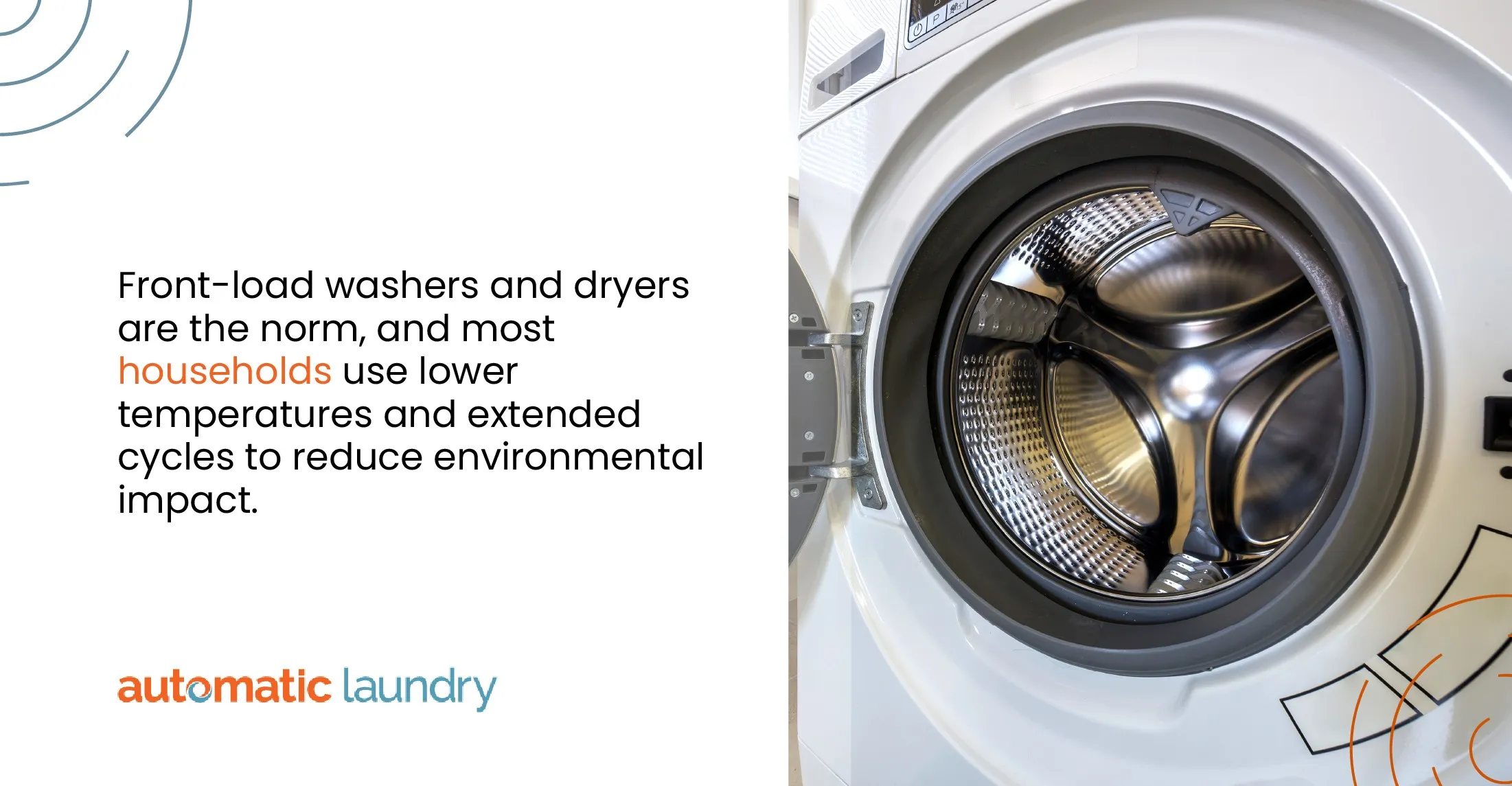
Across Germany and much of Scandinavia, energy efficiency is a top priority. Front-load washers and dryers are the norm, and most households use lower temperatures and extended cycles to reduce environmental impact. In apartment buildings, it’s common to find communal laundry rooms managed by the housing association, often with strict schedules and cleaning requirements to ensure fairness.
This culture of shared responsibility means residents must be punctual, leave machines clean, and even mop the laundry room after use. While these expectations may sound rigid, they create a respectful environment that runs smoothly. Property managers in the U.S. looking to boost resident satisfaction might consider incorporating clear guidelines or shared booking systems, particularly in buildings with high laundry room traffic.
3. South America: Communal Wash Spaces and Flexibility
In many South American countries, laundry services range from modern laundromats to communal wash basins in courtyards. In rural areas of countries like Bolivia or Peru, residents often gather at rivers or public wash stations where laundry is as much a social activity as it is a chore. In cities, professional laundry services, where clothes are weighed and priced by the kilo, are popular, offering a fast and affordable alternative to in-unit washers.
This cultural flexibility is also reflected in how laundry is performed. According to a published study, in Mexico, 55% of households that own washing machines still use handwashing alongside them, while 38% of Brazilian households follow a similar mixed approach. Clothes are often soaked, scrubbed, or pre-treated before going into the machine, and sometimes re-washed if not cleaned to satisfaction. These personalized routines help residents manage utility costs while ensuring garments are properly cleaned. For property managers, this emphasizes the importance of providing versatile laundry services that accommodate both automated systems and space for pre-wash or air-drying needs.
4. India and Southeast Asia: Manual Methods Meet Growing Automation
In India and parts of Southeast Asia, handwashing is still widely practiced, especially in rural areas where machine access is limited. Dhobi ghats, large open-air laundry facilities, are a longstanding part of Indian cities, where professional washers clean clothes manually at scale. These operations can serve thousands of garments a day and are known for their speed and efficiency.
In urban centers, however, there’s a rapid shift toward laundry automation. Services like pick-up/drop-off laundry apps are becoming more common, especially among younger and working populations. For residents and property owners in global cities, this trend underscores the rising demand for app-based laundry services. Tools like the LaundryConnect™ Pay in the U.S. reflect this shift and allow residents to start machines, track cycles, and request service, all from their smartphones.
5. The U.K. and Western Europe: Compact Convenience and Appliance Culture
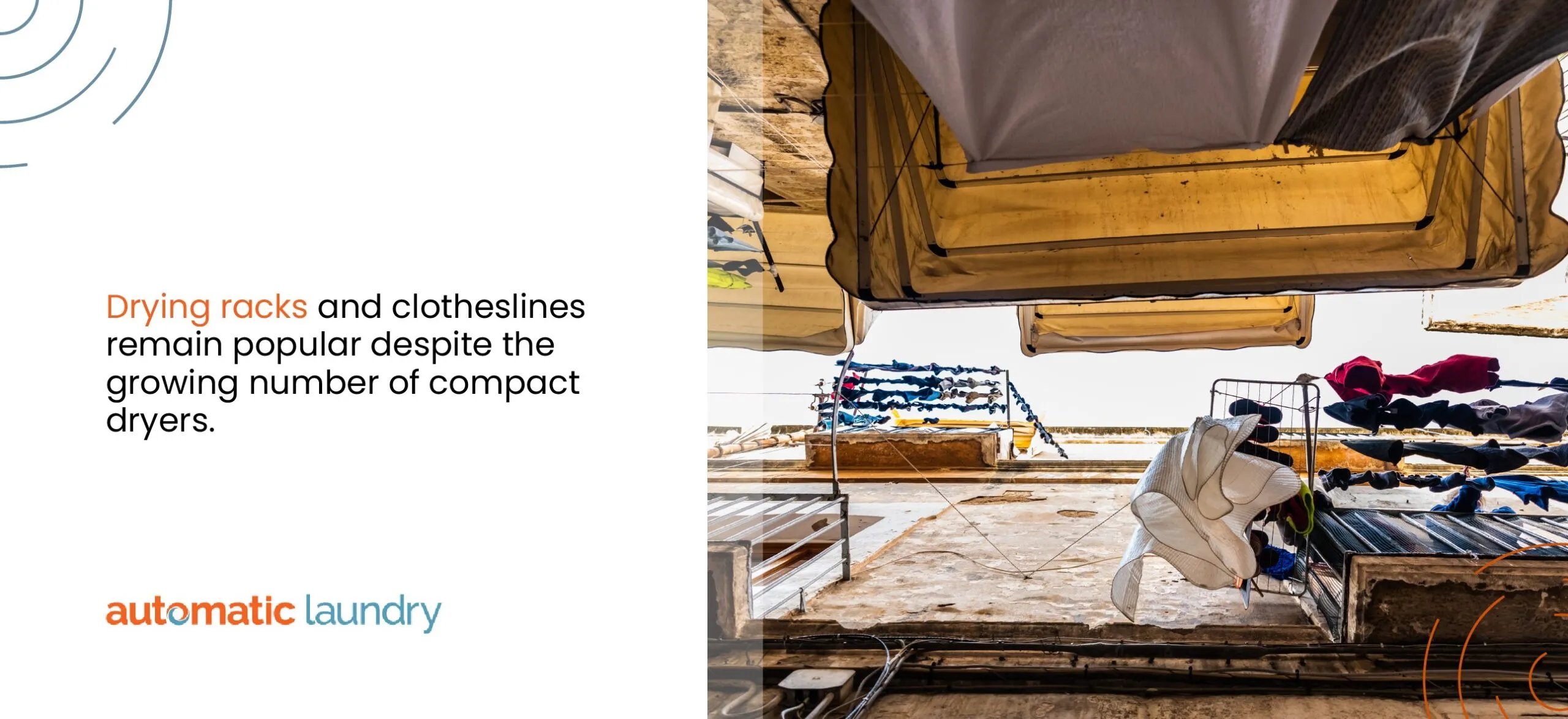
In the U.K., most homes are equipped with washer-dryer combinations tucked into kitchen cabinets or closets due to space constraints. Drying racks and clotheslines remain popular despite the growing number of compact dryers. In some areas, local councils even discourage the use of outdoor clotheslines for aesthetic reasons, prompting reliance on indoor air-drying setups.
European laundry etiquette places a premium on machine maintenance and shared respect. It’s not uncommon to see cleaning cloths posted near communal laundry rooms and signs that outline machine-use guidelines. These habits ensure machine longevity and resident satisfaction. American properties can take cues by offering posted reminders, cleaning tools, or even videos linking to how-to guides like Laundry in 13 Easy Steps.
6. China and Korea: App-Based Laundry and Smart Features
Laundry services in China and South Korea are increasingly mobile-driven. In Korea, apartments are often equipped with smart washers that connect to apps offering detergent recommendations, cycle timing, and energy usage insights. In China, mobile-based laundry delivery services are booming, allowing users to schedule pickups, track clothes, and pay digitally.
This tech-forward laundry culture shows the potential of integrating Internet of Things (IoT) technology into laundry services. Multifamily properties in the U.S. can benefit by upgrading to systems like LaundryConnect™ that mirror these capabilities, aligning with resident expectations for app-based convenience.
Conclusion
By observing how cultures around the world handle laundry, from precise scheduling in Europe to community wash stations in South America, residents and property owners alike can gain new ideas for enhancing their laundry routines. Whether it’s adopting energy-saving habits, promoting shared responsibility, or offering digital convenience, global laundry practices offer a wealth of inspiration. Interested in upgrading your building’s laundry room or streamlining operations for residents? Contact us today to learn how our modern laundry services can help transform your property’s laundry experience.
