
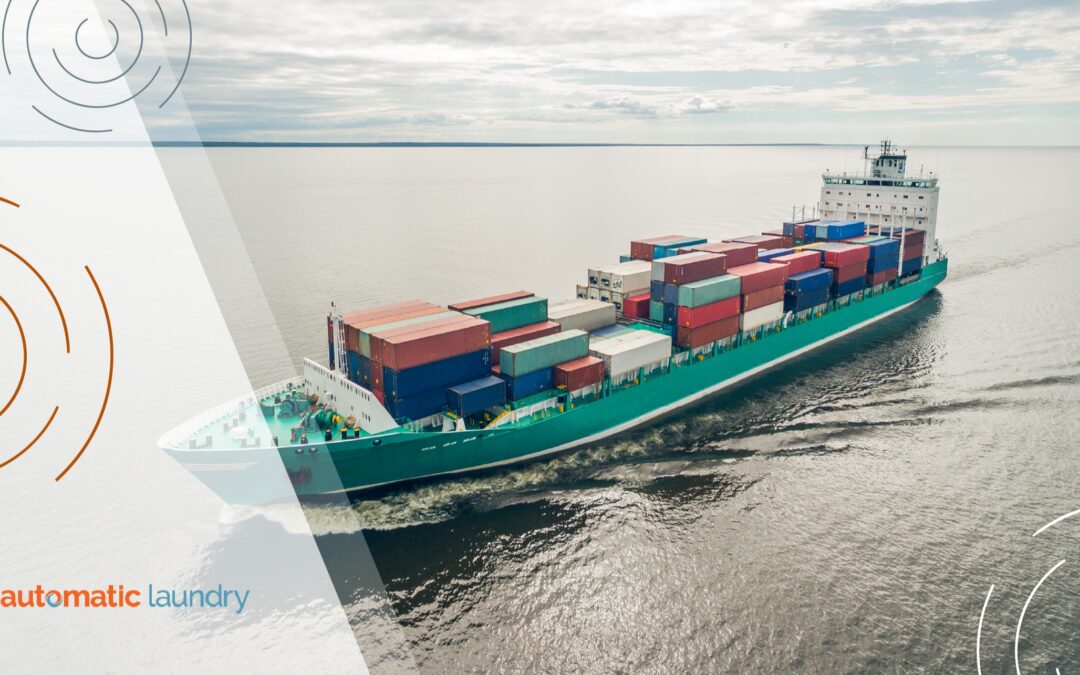
Floating facilities face constant operational constraints that don’t apply on land: limited square footage, inconsistent power supply, high humidity, and exposure to salt air. Processing laundry, however, remains a daily necessity—whether for guest linens, crew uniforms, towels, pieces of decor, or dining textiles. A well-chosen smart washer and dryer system can help stabilize laundry operations onboard by improving efficiency, reducing energy and water consumption, and minimizing maintenance disruptions. In this blog post, we will cover how systems are increasingly designed to handle harsh marine conditions while adapting to tight spatial layouts and fluctuating usage levels.
Why a Smart Washer and Dryer Matters in Marine Environments
Dockwalk posits that the laundry room is one of the most important places on the yacht. Unlike traditional residential models, marine-suitable laundry machines are engineered with durability and efficiency as top priorities. They are typically:
- Compact and space-efficient to fit into limited layouts
They are designed to maximize usable area without sacrificing functionality. Many models include front-loading doors and reversible hinges to improve accessibility in tight quarters. Their reduced footprint allows for easier integration into cabins, utility rooms, or narrow passageway nooks. - Built with corrosion-resistant components to withstand salt air
Marine environments introduce constant moisture and salt exposure that quickly degrade standard appliances. These machines often use stainless steel hardware, coated electronics, and sealed housings to prevent rust and corrosion. - Optimized for low water and energy usage
Water and power are limited resources on vessels, so efficiency is essential. Marine-grade machines incorporate high-efficiency wash cycles and inverter motors to reduce consumption without affecting performance. Some models also feature adaptive load sensing to minimize resource use based on laundry volume. - Available in stackable or all-in-one configurations
Flexible configurations make it easier to match equipment to the vessel’s available space. Stackable units are popular in crew facilities or larger vessels where throughput matters, while all-in-one systems suit compact guest or owner areas. Modular designs simplify installation and allow for easier future upgrades. - Designed to function under vessel movement and vibration
Standard household units often experience performance issues when exposed to constant motion. Marine-suitable machines use reinforced suspension systems and vibration-dampening mounts to maintain stability during operation. Their drums and internal components are engineered to stay balanced even in rough sea conditions.
These features make them better suited for yachts, ferries, and floating hospitality operations than standard on-shore appliances. They deliver consistent performance despite the dynamic nature of marine environments. Finding a service provider that can perform these installations will be key to your vessel’s success.

Key Considerations for Property Managers
Managing laundry systems on floating properties requires careful evaluation of equipment performance, environmental conditions, and operational limitations. Understanding these factors helps ensure reliable service, minimize maintenance demands, and support smooth day-to-day operations.
- Available Space
Combination units or stackable systems are often the best choice for smaller rooms. Before purchasing, measure door widths, ceiling height, and ventilation potential. It’s also important to consider how the machines will be moved into the space, as tight corridors or bulkheads can complicate installation. SailingTotem insists on a compact washer for their needs. - Environmental Resistance
Look for models with stainless steel drums, sealed electrical components, and rust-resistant hardware to prevent premature wear. Marine environments can introduce exposure to humidity and salt air, which accelerates corrosion if materials aren’t properly protected. - Power and Water Requirements
Machines that operate on standard 110–120V power with low water demand are ideal for vessels relying on generators or limited freshwater storage. Energy-efficient motors and shorter wash cycles also help conserve onboard resources, ensuring more sustainable operation. Our equipment offers a variety of power-saving options. - Installation Type
Ventless dryers and all-in-one units reduce the need for structural modification, which is particularly valuable on existing vessels. These options eliminate the requirement for long duct runs, which are often difficult or impossible to add in marine spaces. - Maintenance and Monitoring
Smart features such as digital diagnostics, usage tracking, and fault alerts can assist in preventing downtime and simplifying maintenance scheduling. Remote monitoring capabilities allow crew or managers to identify issues before they escalate, even when offsite.
Popular Types of Smart Washer and Dryer Options
Any smart washer and dryer option will have many features, like smart tracking, energy saving, or even portability. While the exact models will depend on the scale and purpose of the vessel, these models tend to be most effective:
- Marine-grade all-in-one washer/dryer combos
Ideal for yachts or small-scale floating hotels with limited space. Their corrosion-resistant construction and compact footprint make them especially reliable in demanding marine environments. - Stackable compact washer and dryer sets
Suitable for ferries or cruise staff facilities requiring higher throughput. These units are built to handle continuous operation and larger load volumes without compromising performance. YACHT claims that a compact set is the best value for the price. - Portable washers
Often used as temporary or supplementary solutions in low-demand spaces. If your vessel rarely needs laundry services, this might be for you.
For systems that must run multiple loads per day, stackable marine-grade sets generally provide the best long-term value and consistency.

AUTLA_Blogs_99
Conclusion
For floating facilities, choosing the right smart washer and dryer system is less about luxury and more about operational reliability. Compact size, corrosion resistance, energy efficiency, and adaptable installation should be prioritized over conventional residential features. If you are planning a new installation or upgrading an existing setup, contact Automatic Laundry today to receive expert guidance tailored to your vessel type, space limitations, and laundry volume. Our team can help you build a solution that is efficient, durable, and designed for life at sea.
