
In New York City’s competitive hospitality market, guest expectations continue to rise. Whether it’s a boutique hotel in SoHo or an Airbnb loft in Williamsburg, offering a seamless, tech-enabled experience is expected. As a result, NYC hotels and Airbnb hosts are investing in smart laundry solutions to keep pace. These innovations are helping operators modernize an essential but often overlooked part of their service: the laundry room. For organizations looking to stay ahead, integrating smart laundry systems is a strategic decision.
1. The Growth of Smart Laundry Systems in Hospitality
As digital convenience becomes the standard across industries, laundry has quietly emerged as a surprising space for innovation. Smart laundry systems—built with the Internet of Things (IoT) -enabled machines, app-based interfaces, and automated service tracking—are becoming increasingly popular among NYC hospitality providers. These systems offer tools that streamline operations and enhance the guest experience, making them a practical solution for any NYC laundromat that services hospitality properties or short-term rentals.
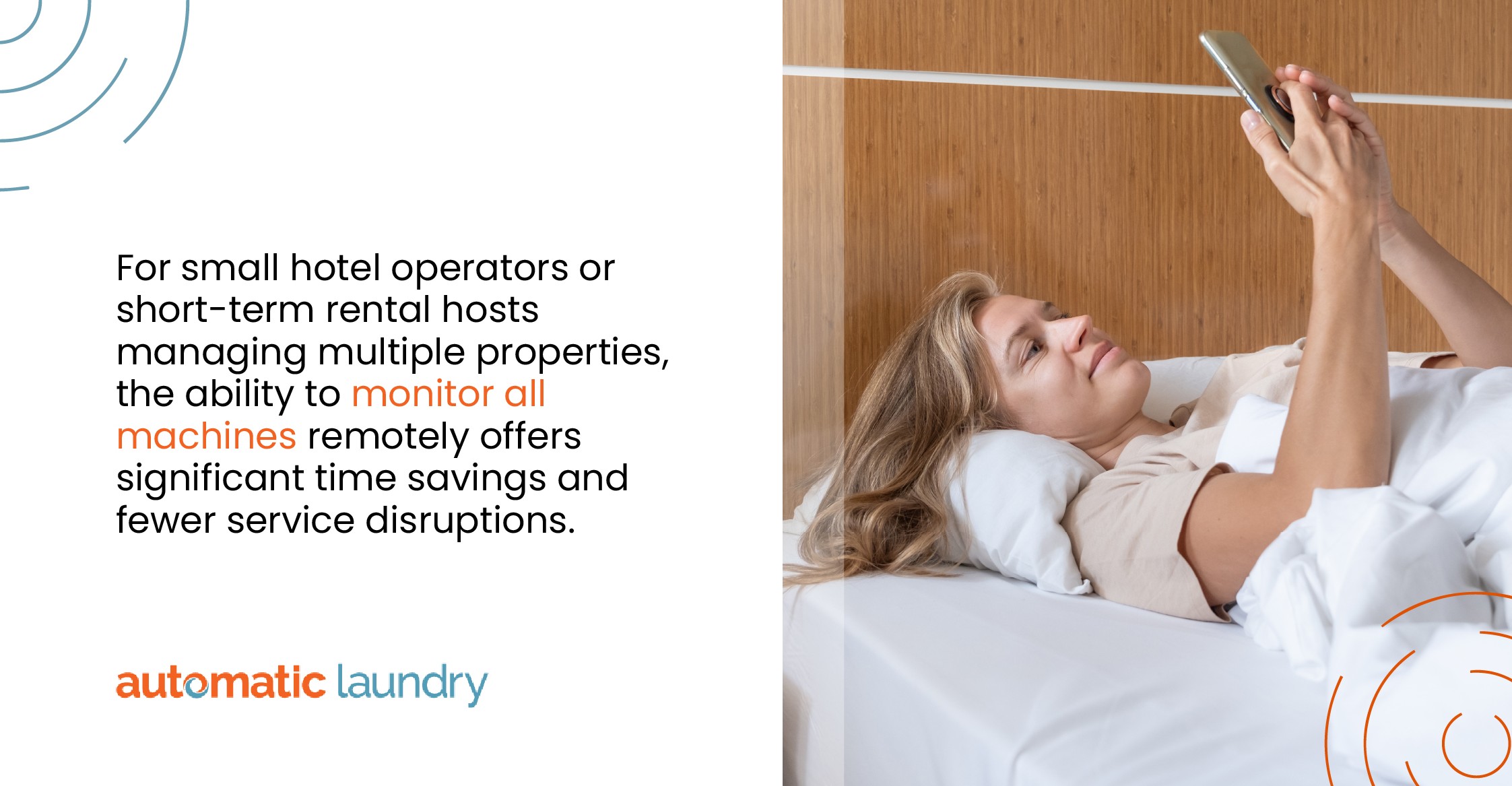
For example, LaundryConnect™ Pay allows guests to check machine availability, pay via smartphone, and receive notifications when cycles are complete. For small hotel operators or short-term rental hosts managing multiple properties, the ability to monitor all machines remotely offers significant time savings and fewer service disruptions. This level of control is especially beneficial in NYC, where high guest turnover means constant linen changes, often on tight schedules.
2. Meeting Guest Expectations with Tech-Forward Convenience
Today’s travelers are looking for more than just a place to sleep; they expect amenities that mirror the ease of everyday digital experiences. From mobile check-ins to in-room voice assistants, the hospitality sector has embraced tech to stay competitive. Smart laundry systems are a natural extension of that evolution, offering a level of autonomy that modern guests increasingly demand. In fact, 73 percent of travelers are more likely to choose a hotel that offers self-service technology options, according to a 2024 report on smart hotel trends. This reinforces how digital amenities like smart laundry systems can provide a clear competitive advantage for hotels and short-term rentals in NYC’s crowded market.
When guests can pay for their wash with an app, get notified when it’s done, and avoid waiting around for an available dryer, it creates a frictionless experience that boosts satisfaction. Hosts and hotel managers also benefit: real-time usage data allows them to proactively service machines before complaints arise. These systems reduce the need for physical interaction, a feature that remains important in the post-pandemic travel environment. Accessibility features like multilingual interfaces and video instructions also make the technology approachable for international visitors or older guests unfamiliar with modern interfaces.
3. Elevating Property Value for Smaller Operators
In a city where every square foot counts, hospitality providers need every amenity to pull its weight. Upgrading to smart laundry equipment can elevate a building’s overall appeal and justify higher nightly rates or extended-stay pricing. In fact, some NYC laundromat operators who lease equipment to short-term rentals have noted a rise in demand for machines with digital payment and cycle notifications, as highlighted in recent hospitality industry surveys.
Energy-efficient models like the Speed Queen Quantum® series reduce water and electricity usage while completing cycles faster. This increases machine availability and lowers utility costs, which is critical savings for smaller boutique hotels or independent hosts managing multiple units. In tight-margin businesses, small operational gains can make a significant difference over time.
4. Centralized Oversight and Reduced Downtime
Traditional laundry setups often leave property owners in the dark about performance and usage patterns. With smart laundry systems, that changes. Platforms like LaundryConnect™ provide centralized dashboards where managers can view machine status, revenue reporting, and maintenance logs from any location. These insights are especially useful for Airbnb hosts who manage multiple listings across NYC boroughs or small hotels without full-time on-site staff. If a machine goes offline, a service alert is triggered automatically. Smart kiosks like the HS Cash and Credit Kiosk further minimize friction by securely accepting multiple payment types and producing real-time usage data for audits and reporting. These tools collectively reduce downtime, increase guest satisfaction, and free up valuable management bandwidth.
Additionally, the rise in smart locker and kiosk adoption underscores how rapidly hospitality technology is evolving. According to a recent study, the global smart locker market is projected to grow from $2.1 billion in 2023 to $3.6 billion by 2028, expanding at a CAGR of 11.6%. This reflects a broader industry shift toward secure, contactless, and digitally managed amenities. For NYC property managers, implementing this level of automation allows for reduced downtime, better guest experiences, and streamlined oversight, particularly across multiple units or locations.
5. Sustainable Solutions for a Greener Stay
ENERGY STAR® certified machines, like the Quantum® front-load washers, use significantly less water—around 13.7 gallons per cycle compared to 26+ gallons in traditional models. Faster spin cycles mean reduced drying times, which cuts down on energy usage. Hosts can pair these machines with smart monitoring tools to identify high-usage windows and adjust schedules or load sizes accordingly. For more tips on sustainable laundering practices, this blog outlines strategies for greener cleaning methods.
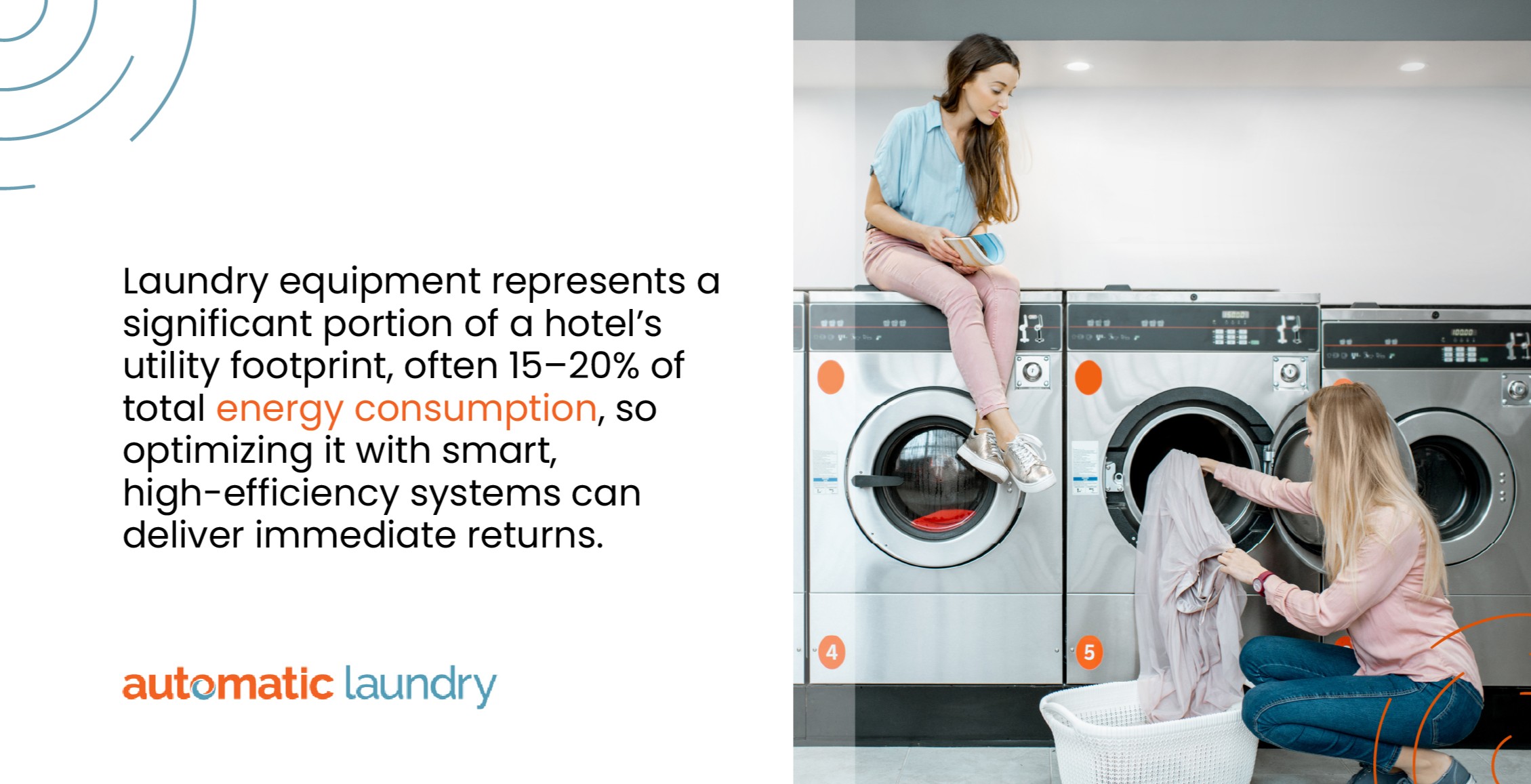
Fortunately, there are many energy-efficient solutions that hotels and hospitality operators can leverage to drive cost savings. According to recent energy studies, implementing even basic efficiency measures can reduce a hotel’s overall energy usage by 20 percent, while adding smart technologies can push that reduction up to 30 percent. Laundry equipment represents a significant portion of a hotel’s utility footprint, often 15–20% of total energy consumption, so optimizing it with smart, high-efficiency systems can deliver immediate returns. For NYC-based hotels, Airbnb hosts, and even the occasional NYC laundromat serving hospitality clients, this shift not only aligns with growing sustainability expectations but also supports long-term operational resilience and guest satisfaction.
Conclusion
With rising guest expectations, competitive pressure, and increasing emphasis on sustainability, smart laundry technology is becoming a critical investment for NYC hospitality providers. From Airbnb hosts to boutique hotels, the shift toward app-enabled payments, energy-efficient machines, and centralized system oversight is reshaping laundry operations across the city. If you’re looking to modernize your property’s laundry offerings while reducing operational strain, Automatic Laundry services can help implement smart laundry systems that improve service quality, efficiency, and cost control. Contact us today to learn how you can enhance your guest experience and bring your laundry operations into the future.
