


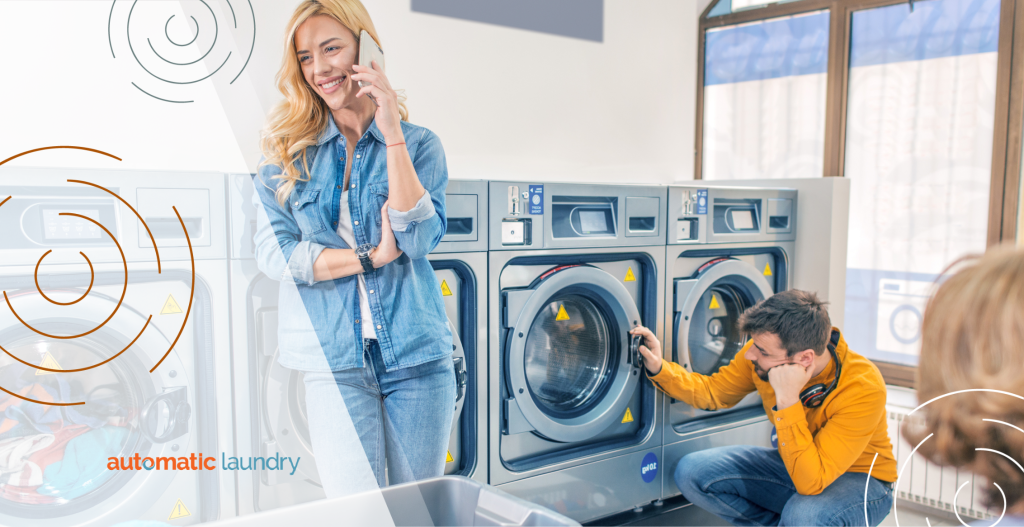
Effective laundry room design for mixed-use developments creates shared spaces that balance high foot traffic, space limits, and diverse community needs. These modern properties bring together apartments, retail shops, offices, and recreational areas under one roof. Managing shared amenities in this kind of multi-use setting brings unique operational challenges.
The shared laundry facility remains one of the most-used services on site. Traditional spaces often end up treated as an afterthought. Thoughtful layout plans transform a high-wear utility room into an asset that improves resident satisfaction, lowers utility usage, and generates steady revenue.
Here are six best practices for designing high-performance laundry spaces built for mixed-use developments.
1. Optimize space with high-efficiency stacked equipment
Square footage in mixed-use properties commands a premium rate. Every foot dedicated to utility service takes away space that could earn revenue as retail or residential space. To maximize capacity without overcrowding the floor plan, property managers should prioritize space-saving equipment configurations.
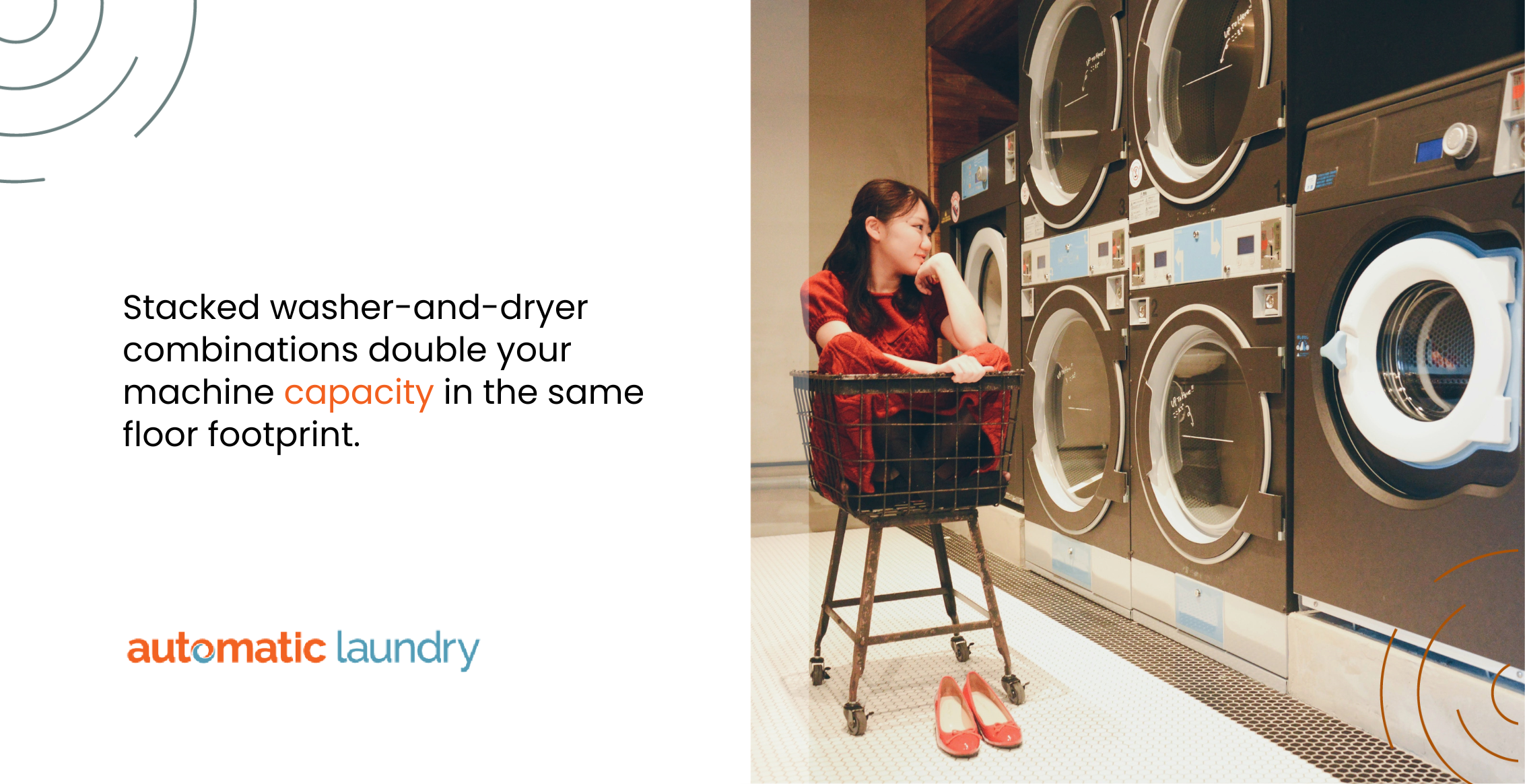
Stacked washer-and-dryer combinations double your machine capacity in the same floor footprint. Advanced commercial units from Speed Queen cut space needs in half while delivering heavy-duty performance. This leaves ample floor space for folding tables, seating areas, and smooth room traffic. Leaving clear pathways allows residents to move laundry carts around without creating crowded bottlenecks during peak washing hours.
2. Integrate smart technology and cashless payments
Modern residents expect simple digital convenience in their daily routines. Coin-operated machines create friction for users. They also add administrative overhead for managers who must collect and count cash.
App-based mobile payments and smart card systems streamline daily operations for everyone. Platforms like LaundryConnect let residents check real-time machine availability directly from their smartphones before leaving their apartment. Residents never have to carry heavy baskets down hall corridors only to find every washer full. App notifications tell users exactly when cycles finish, preventing forgotten clothes from sitting in machines and clogging up the facility.
3. Prioritize accessibility and universal design
Mixed-use properties serve individuals with a wide range of physical needs and capabilities. An accessible facility complies fully with Americans with Disabilities Act standards while promoting ease of use for all residents.
Low-reach controls and wide-opening front doors allow comfortable operation from a seated position. Rooms require a minimum 60-inch turning space for wheelchair movement between equipment banks and folding tables. Offering folding stations at varying heights helps standing and seated users work comfortably. Clear directional signage with raised lettering and Braille ensures that vision-impaired tenants navigate the room with total independence and confidence.
4. Future-proofing laundry room design through remote diagnostics
Equipment downtime leads directly to negative resident feedback. Out-of-order machines place immediate strain on remaining units in high-density buildings.
Smart planners account for maintenance needs during the initial layout phase. Automatic Laundry connects machines to the Laundry Connect system to monitor equipment performance 24 hours a day in real time. The system detects fault codes and alerts service teams automatically. Technicians resolve up to 81 percent of service requests remotely before residents notice an issue. Constant monitoring keeps machines running at top performance and extends equipment lifespan significantly.
5. Upgrade the resident experience with multi-functional amenities
Community spaces in mixed-use developments ought to foster real connection. Designing the laundry room as a modern lounge transforms laundry day from a tedious chore into a pleasant experience.
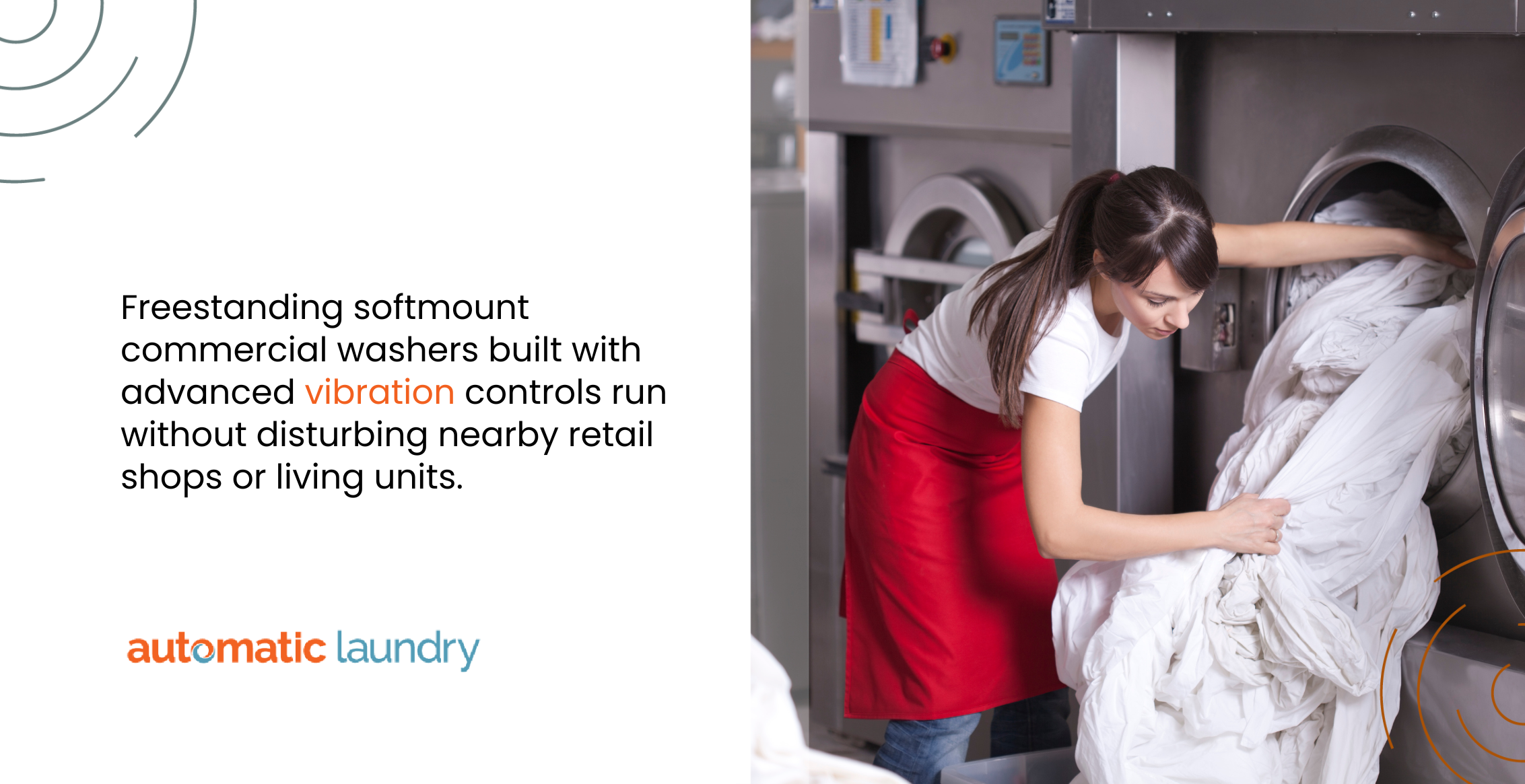
High-speed Wi-Fi and power charging stations allow residents to work or stream content while waiting for cycles to end. Freestanding softmount commercial washers built with advanced vibration controls run without disturbing nearby retail shops or living units. Bright LED lighting and secure keycard entry give residents complete peace of mind at any hour. Adding comfortable seating areas creates a welcoming spot where neighbors can meet, rest, or handle light work tasks comfortably.
6. Partner with a full-service commercial laundry management provider
Setting up and managing a commercial laundry facility involves complex plumbing, electrical, and ventilation details. Working with a dedicated service provider keeps your room layout up to local building codes and keeps utility bills low.
Under a full-service revenue share program, property managers completely outsource equipment installation, cashless system operations, and ongoing service calls without upfront capital spending. Expert providers manage routine maintenance schedules, supply chain needs, and machine upgrades over time. This leaves your on-site management team free to focus entirely on core building operations and tenant relations.
Schedule your free site survey and upgrade your property today
Optimizing your facility’s layout and technology yields immediate dividends in tenant satisfaction and long-term asset value. Automatic Laundry helps property managers turn outdated utility rooms into modern, income-generating amenities with zero hassle. Modern commercial equipment paired with smart diagnostic tools ensures your facility runs smoothly while minimizing water and power waste year after year.
Contact Automatic Laundry today to schedule a free site survey and lease analysis for your mixed-use development.
