


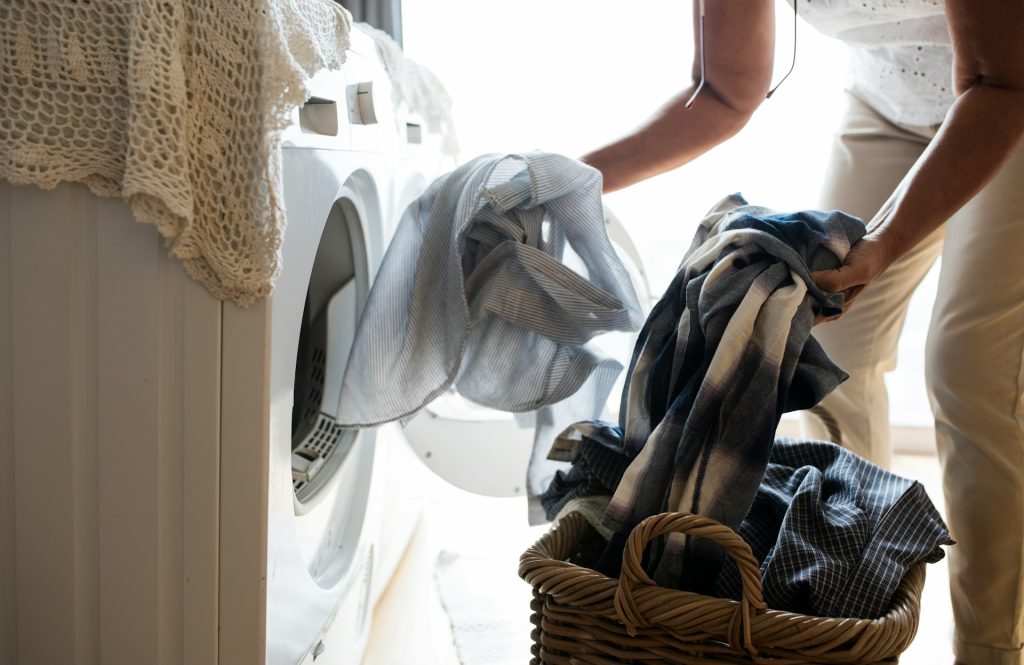
Designing a functional community laundry room is key to ensuring residents have convenient and efficient access to laundry facilities. In urban areas like New Jersey and New York City, where space is often limited, a well-thought-out laundry room can greatly enhance the quality of life for residents. A thoughtfully designed space not only improves user satisfaction but also streamlines operations, making maintenance easier and more cost-effective. Balancing practicality with comfort can transform a community laundry room into a welcoming and efficient hub that serves everyone’s needs.
Community laundry room design takes into account the unique needs of urban residents who seek convenience without compromising on quality. With high demands placed on these shared spaces, creating a laundry room that is easy to navigate and pleasant to use is increasingly important. By implementing strategic planning and modern design principles, these rooms can become more than just a place to wash clothes; they can be areas of social interaction that foster community spirit.
Layout and Space Optimization
An effective layout is the foundation of a functional community laundry room. It’s about making the most out of the available space to accommodate users comfortably and efficiently. A good start is considering the flow of traffic. How do people move when carrying baskets of clothes? Ideally, you want a setup where residents can easily navigate between machines, folding areas, and exits without feeling cramped.
Here are a few strategies to make the best use of space:
– Plan Machine Placements: Arrange washers and dryers against walls or in a U-shape, allowing clear paths for users to move around with ease. Avoid placing machines in the center, as this can create bottlenecks.
– Create Dedicated Areas: Designate specific spots for washing, drying, and folding to make the experience more streamlined. Consider including a comfortable seating area for residents waiting on their laundry.
– Maximize Vertical Space: Use shelving above machines for detergent storage. You can also install hooks for laundry bags and lines for air-drying delicate items.
Accessibility for all users is another important consideration. Ensure that step-free access is available and machines are at a comfortable height for wheelchair users. Simple changes like lever-style door handles or extending counter spaces can make a significant difference for residents with mobility issues.
Ultimately, a well-designed community laundry room that considers both layout and space optimization boosts usability and enhances the overall experience for all users.
Equipment Selection
Choosing the right equipment for a community laundry room is crucial for efficiency and user satisfaction. When selecting machines, durability is a primary concern. High-quality machines can withstand frequent use and ensure a longer lifespan, reducing the need for constant replacements or repairs. Think about the load capacity that suits your community—larger machines handle more clothes at once, reducing wait times and increasing user turnover.
It’s also a good idea to have a mix of washer and dryer types. Top-load washers might appeal to some residents due to ease of use, while others might prefer the water efficiency of front-load models. Offering variety can cater to different preferences, ensuring that everyone finds something that suits their needs.
Energy-efficient machines are a win-win. They save on utility costs and are kinder to the environment, an aspect increasingly valued by residents and property managers alike. Look for models that boast low water consumption and energy use. While these machines might come with a higher initial cost, the saving on bills and maintenance often justifies the investment over time.
User-Friendly Features
A user-friendly community laundry room is a hit among residents. Machines with intuitive controls and easy-to-read displays simplify laundry day tasks. When appliances require minimal effort to operate, people are more likely to be kind to them, reducing wear and tear.
Newer machines often come with advanced technology features. Bill management apps or digital machine timers are examples that can significantly improve the user experience. App-controlled machines let users monitor progress and receive updates, saving them from constant trips down to check if a load is done.
Clear signage and instructions help avoid confusion. By labeling machines and areas correctly, you guide residents on proper usage and prevent misuse. This not only aids in keeping the equipment in top shape but also enhances the overall user experience by removing guesswork from the process.
Creating a Comfortable Environment
The atmosphere of a laundry room can greatly impact how residents feel about doing laundry. Comfort begins with maintaining a clean, tidy space. Regular cleaning prevents the build-up of dirt and lint, making the environment more pleasant and reducing the risk of appliance malfunctions.
Lighting is another crucial aspect. Bright, well-lit areas make doing laundry safer and more inviting, especially for residents coming in during the evening. Fixtures that mimic natural daylight are great for spaces without windows, making the room feel more open and welcoming.
Adding amenities like Wi-Fi or charging stations can make waiting more enjoyable and productive. Having a plush seating area can transform laundry time into a chance to catch up on emails or chat with neighbors. These small additions create a community atmosphere and enhance resident satisfaction.
Maintenance and Upkeep
Regular maintenance is essential to keep laundry facilities running smoothly. Scheduling routine checks helps catch potential issues before they become significant problems. This proactive approach saves both time and money by minimizing unexpected breakdowns and repairs.
Establishing a maintenance schedule is straightforward. Create a checklist of inspection tasks and set reminders to carry out these checks consistently. Tasks might include clearing out lint traps, checking for leaks, and ensuring that detergent dispensers are clear.
Encouraging residents to share feedback on the facility’s condition can also highlight areas needing attention. Addressing these concerns promptly demonstrates a commitment to providing excellent service and can lead to lasting improvements in user satisfaction. Residents are more likely to take pride in a well-functioning laundry room, ensuring better care and respect for the space.
Designing a Space That Feels Like Home
A laundry room that feels like home can enhance the overall living experience for residents. Thoughtful design and decor can transform a typically mundane chore into a pleasant routine. Consider using warm colors and textures to create a welcoming ambiance. Soft rugs, plants, and art on the walls can make the space feel more personal and inviting.
Personal touches can go a long way. Themed decor that resonates with residents, like local landmarks or neighborhood murals, can foster community pride. Adding small elements that reflect the community’s personality helps make the space unique.
Fostering a culture of respect and care for the shared space is essential. Encouraging residents to tidy up after themselves and report issues promptly helps maintain the room’s appeal. When users feel a shared responsibility for the area, it tends to stay in better condition, benefiting everyone.
Curious about enhancing your community laundry room to meet urban demands effectively? Automatic Laundry is here to help you create the perfect space. Learn how strategic planning and the right features can transform your laundry facilities by exploring our insights into community laundry room design.
