


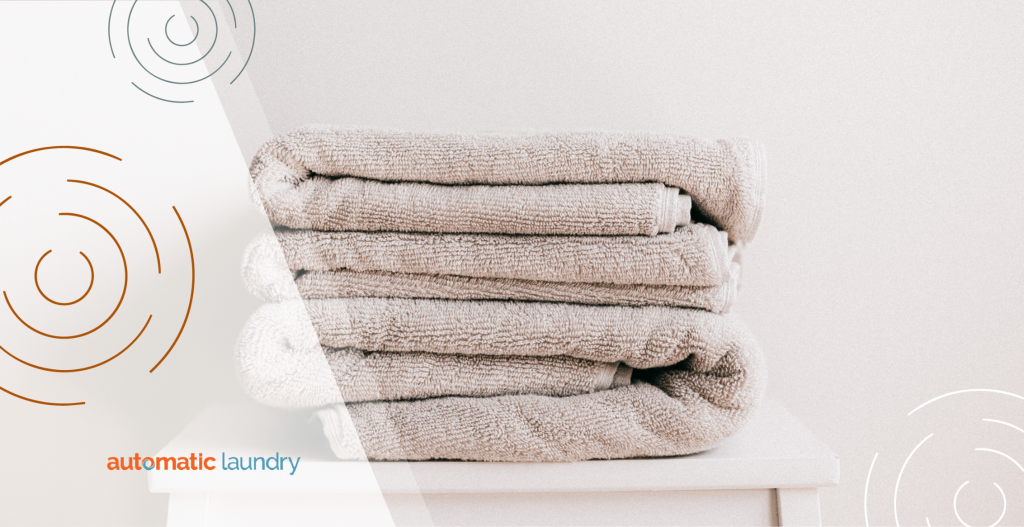
Laundry solutions help business owners reduce the hidden costs of replacing commercial linens before their useful life is over. Sheets, towels, uniforms, napkins, robes, and other reusable textiles represent a continuing investment for hotels, healthcare facilities, restaurants, salons, fitness centers, and other businesses.
When linens lose their color, softness, absorbency, or structural strength too soon, the impact reaches further than the purchase order. Replacement inventory can disrupt budgets, create ordering work, and affect the experience customers, guests, patients, or staff have with the business. Proper equipment, consistent laundry practices, and thoughtful cycle selection help protect linens while supporting the cleanliness standards each operation requires.
The real cost of premature linen replacement
A towel, sheet, or uniform may appear to be a small expense when viewed individually. The cost becomes far more significant when a business must replace hundreds or thousands of items earlier than expected.
Premature linen loss increases spending on inventory and leads to rush orders when supply runs short. It also creates inconsistencies in color, texture, size, and quality when replacement stock differs from existing linens. A hotel may have enough towels on hand. However, guests may notice if some feel thin or look faded while others feel new.
Staff time is another consideration. Employees must sort damaged items, document losses, place orders, stock deliveries, and address customer or team member concerns. Those tasks pull attention away from higher-value work.
Linen replacement also creates a waste issue. Textiles that could have remained in service longer may be discarded because repeated processing has weakened fibers, set stains, reduced absorbency, or caused an uneven appearance.
Why commercial linens wear out too soon
Commercial linens face demanding conditions. They may be exposed to food stains, body oils, cosmetics, cleaning products, medical soils, or frequent high-volume washing. Damage often develops over time rather than after one poor wash cycle.
Incorrect temperatures can contribute to fading, shrinkage, or fiber stress when they do not match the textile’s care requirements. Excessive heat in a dryer may also reduce softness and cause some materials to break down faster. Heat can be necessary for certain sanitation processes, so operators should base settings on the type of linen, the soil level, manufacturer instructions, and applicable requirements.
Chemical selection and dosing also affect linen condition. Detergents, bleaches, softeners, and other products should match the fabric and the desired cleaning outcome. The Federal Trade Commission requires textile care instructions to address washing, drying, ironing, bleaching, and relevant warnings. Following those instructions helps businesses avoid processes that may harm the fabric.
Overloading machines can limit water flow and cleaning action. Underloading may create excess mechanical action that adds unnecessary wear. Poor sorting can create similar problems when delicate textiles are washed with rougher items or when heavily soiled goods are mixed with lightly soiled pieces.
Laundry solutions for better linen protection
Effective laundry solutions start with a process that matches the operation’s linen mix. A business washing spa robes needs a different approach than a long-term care facility processing heavily soiled sheets, just as a restaurant needs settings suited to napkins and kitchen textiles.
Commercial equipment with programmable controls helps staff select consistent cycle settings for separate linen categories. Dedicated programs for towels, sheets, uniforms, delicate items, and high-soil loads can reduce guesswork during busy shifts. Accurate chemical dispensing also supports repeatable results when the system is configured for the operation’s textiles and cleaning needs.
Machine capacity deserves close attention. Equipment that’s too small encourages overloaded cycles. Unnecessarily large equipment may result in inefficient partial loads. A provider can review linen volume, usage patterns, available utilities, staff workflow, and textile types before recommending a commercial laundry system.
Don’t forget the drying cycle
Drying should receive the same attention as washing. Appropriate dryer settings reduce unnecessary exposure to heat. Staff should also avoid leaving linens in dryers longer than needed once the load is dry.
For healthcare and long-term-care operations, the process must also reflect applicable hygiene and infection-prevention standards. CDC guidance recommends following washer and dryer manufacturer instructions, using approved detergent, and completely drying linens in commercial dryers.
Consistency protects your inventory
A strong linen-care program doesn’t rely on employees having to make judgment calls for every load. Clear procedures help teams sort linens correctly, select the right program, load machines appropriately, and identify damaged textiles before they reach guests or customers.
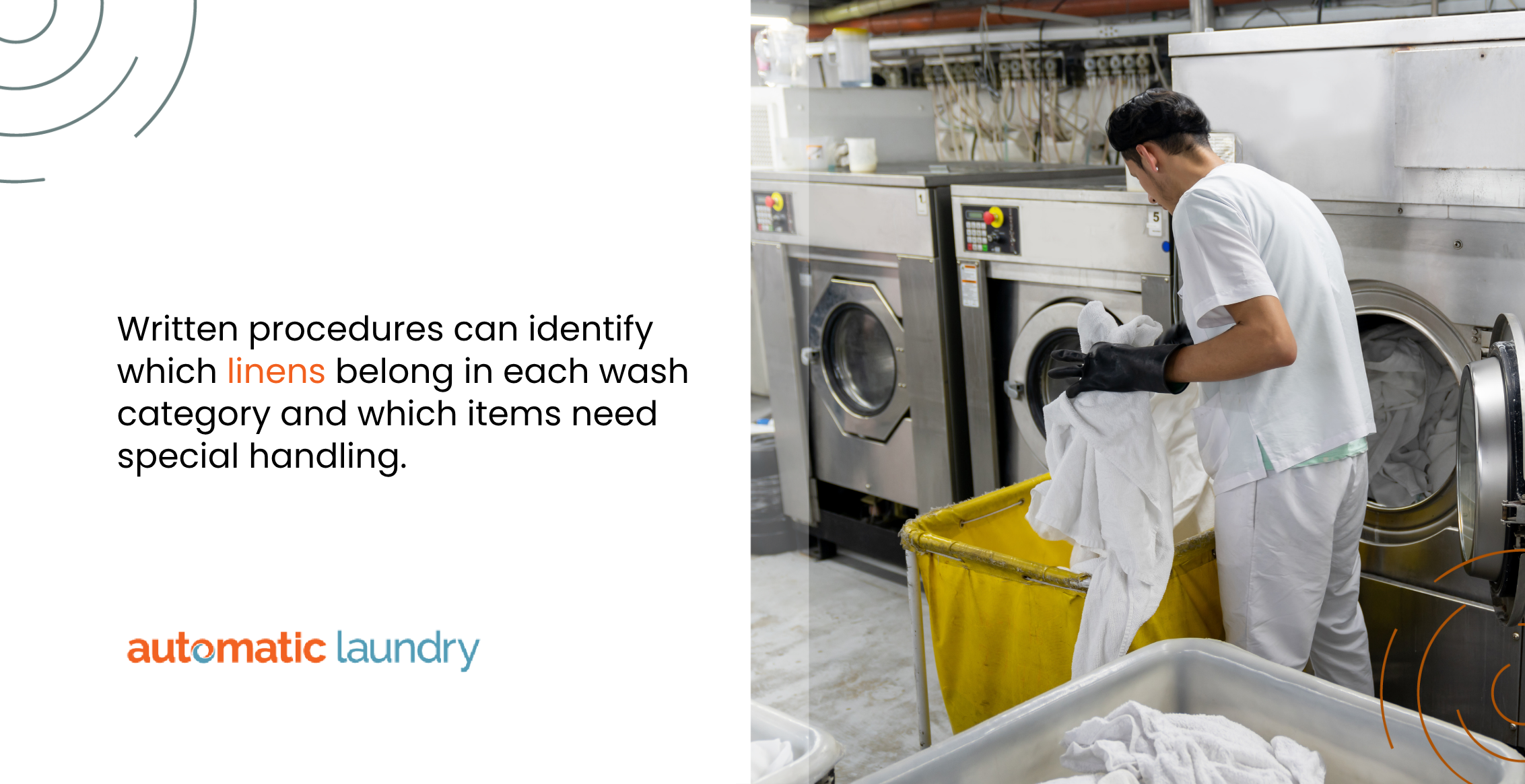
Written procedures can identify which linens belong in each wash category and which items need special handling. Training should explain why the process matters, particularly when workers may otherwise see laundry as a simple task. When staff understand that incorrect loading or cycle selection may shorten linen life, they have a clearer reason to follow the process.
Routine equipment maintenance also supports consistency. Worn seals, inaccurate temperature controls, dispensing issues, and dryer problems can affect results before staff recognize a problem. Regular service helps equipment perform as intended and gives operators a chance to correct small issues before they contribute to recurring linen loss.
Questions to ask before replacing linens
Before ordering replacement linens, business owners should examine the laundry process. The source of repeated damage may be tied to the equipment, workflow, textile mix, chemical program, or staff procedures.
Consider these questions:
- Are similar linen types receiving the same wash and dry settings each time?
- Does the equipment have enough capacity for the operation’s daily linen volume?
- Are damaged items showing the same type of issue, such as fading, stiffness, tears, shrinkage, or poor absorbency?
- Are staff sorting items based on fabric type, color, soil level, and special-care requirements?
- Is the chemical program appropriate for the materials being washed?
- Are dryers operating properly and stopping when loads are dry?
- Is the business tracking how often linens are discarded and why?
Patterns in rejected linen point to a process issue. For example, widespread fading may warrant a review of chemical selection, wash temperature, and textile instructions. Frequent tearing may signal excessive mechanical stress, overloading, or linens that are not suited to the demands of the operation.
Protect the investment you worked hard to build
Commercial linens support the quality people see and feel every day. Fresh towels, clean uniforms, crisp sheets, and well-maintained table linens communicate care.
Replacing these items too soon drains resources and creates preventable disruption. A thoughtful laundry process helps businesses get more appropriate service life from their linens while meeting the cleaning needs of their operation.
Automatic Laundry can help assess your linen volume, workflow, equipment, and processing goals. Contact our team to discuss laundry solutions that support consistent results and help protect the textiles your business depends on.
